Journal
What is Permitted Development? A London Homeowner's Guide
Permitted development allows certain building works and changes of use under planning permission already granted by national legislation. For London homeowners, this means some projects can proceed without a separate planning application, provided every relevant limitation and condition is met. It isn't an exemption from planning permission; it's planning permission that's already been given, subject to specific limits on size, position and appearance.
The rights are set out in the Town and Country Planning (General Permitted Development) (England) Order 2015, as amended, usually shortened to the GPDO. They apply across England, though the detail can vary by property type and location, which matters a great deal in London.
What Permitted Development Typically Covers for Homeowners
The most common permitted development rights for houses cover:
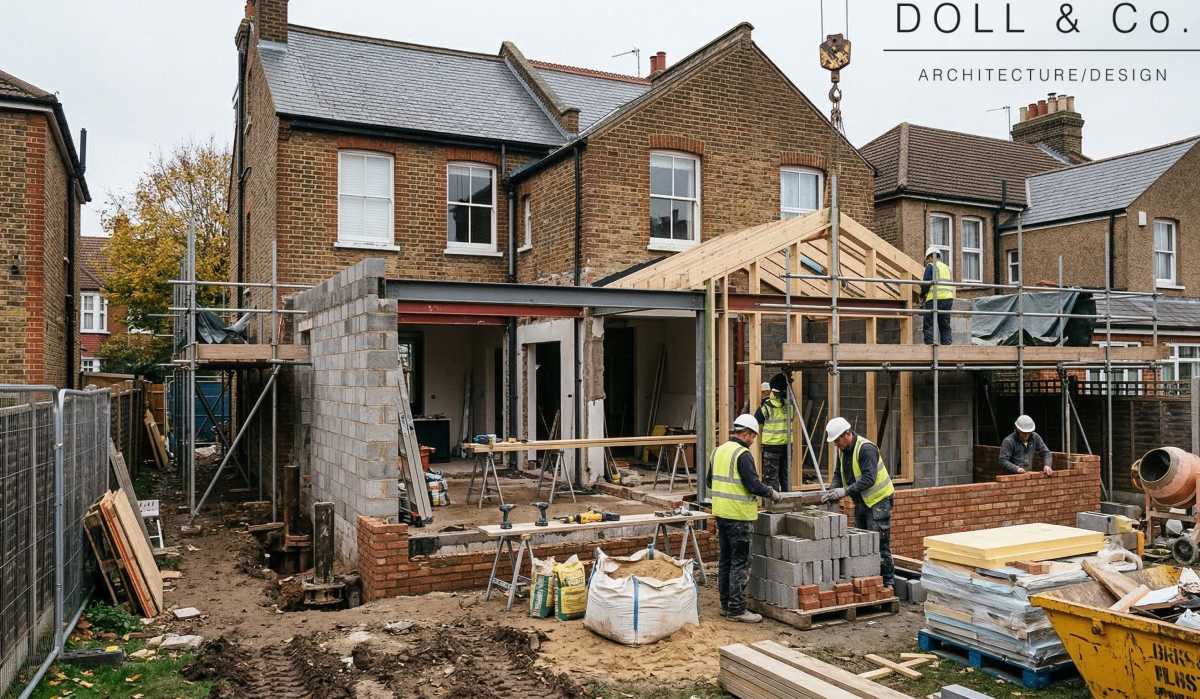
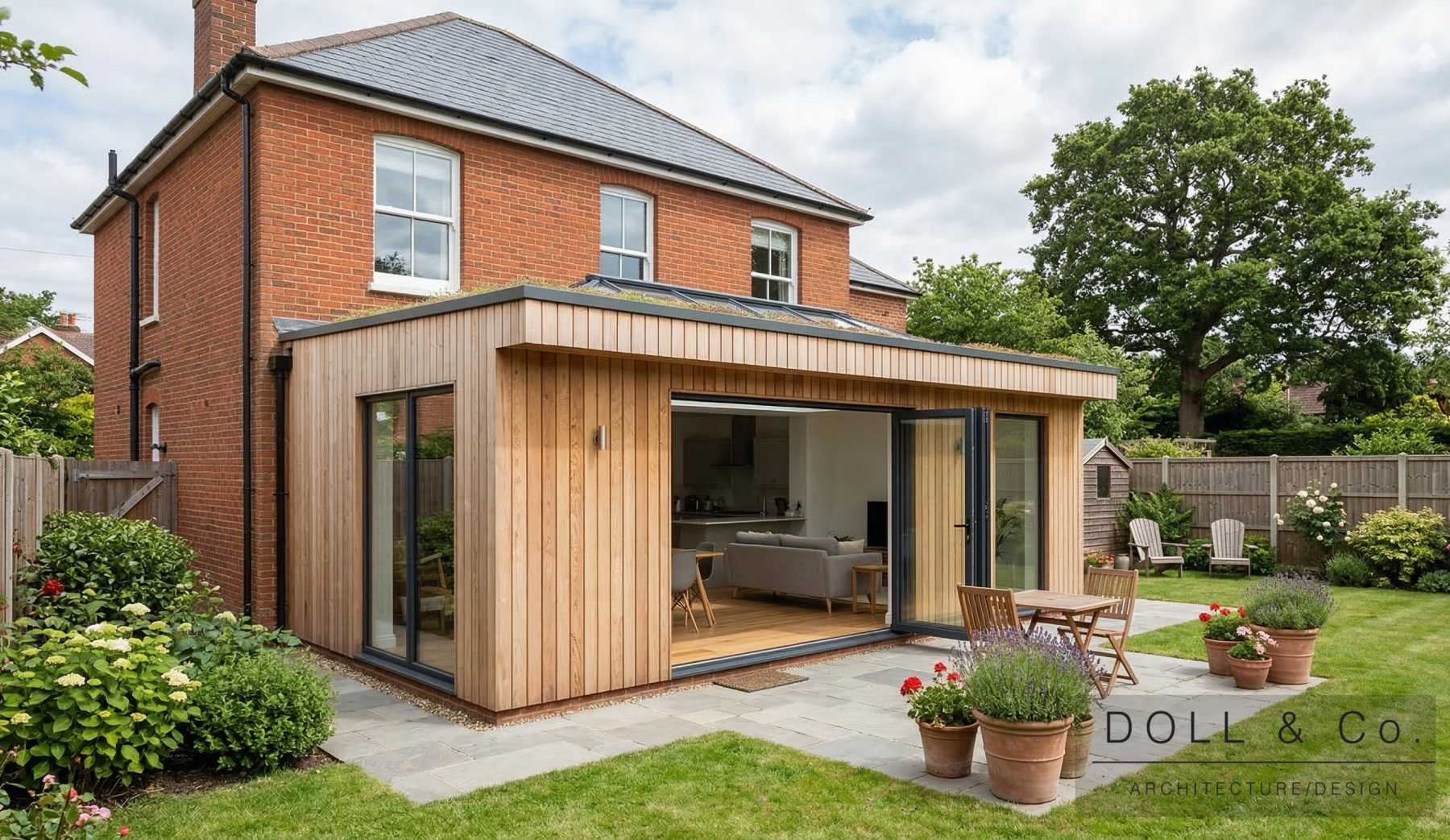
Standard single-storey rear extension. Up to 4 metres for a detached house, or 3 metres for other house types, measured from the original rear wall.
Larger single-storey rear extension. Beyond those limits, up to 8 metres for a detached house or 6 metres for other house types, through the prior approval procedure rather than full planning permission, subject to eligibility and a valid submission.
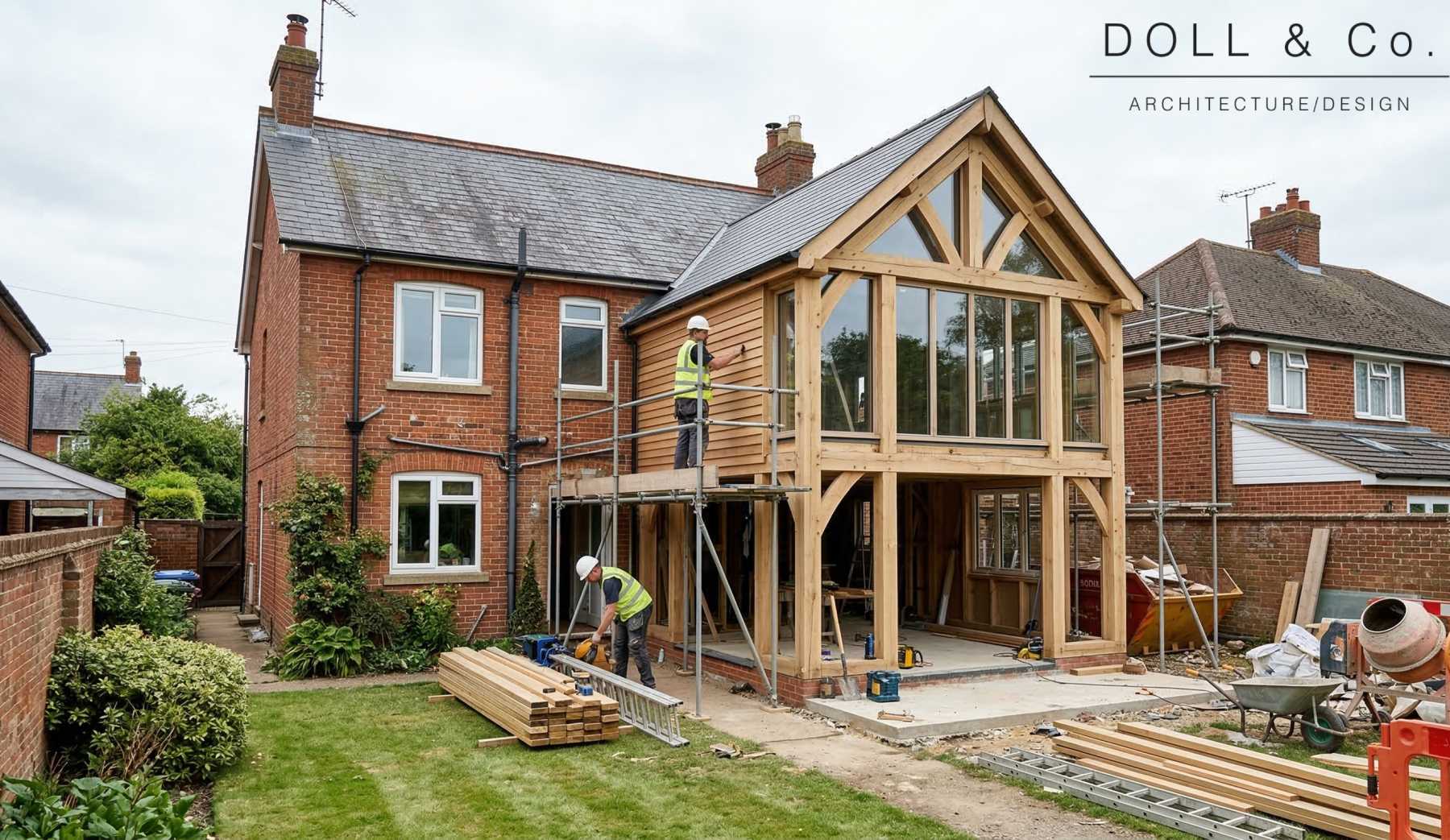
Side extension. Single storey only, maximum height 4 metres, no wider than half the original house's width.
Roof enlargement. Generally up to 40 cubic metres additional roof volume for a terraced house, or 50 cubic metres for other house types, including any previous roof enlargements counted toward that limit. Dormers on the principal elevation, where it fronts a highway, are generally not permitted development.
Outbuildings. Garden rooms, garages and sheds are often permitted, subject to height limits and not covering too much of the garden.
Porches. Usually allowed up to a small footprint and height limit.
These are selected baseline figures, not a complete compliance checklist. Designated land, previous extensions already counted against these limits, and other conditions can all still apply, and they're worth confirming properly before a design is finalised.

Restrictions and Separate Consents
This is where it gets genuinely important for a lot of our clients, since London's housing stock includes a high proportion of flats, listed buildings and conservation areas. A great deal of our work sits precisely in this territory: finding the layout, daylight and modern services a family actually needs, while working within, or around, whatever restrictions and consents a specific property carries, rather than treating heritage purely as an obstacle.
Flats and maisonettes don't benefit from the same householder permitted development rights for extensions as houses do. That doesn't mean every change needs planning permission: ordinary internal alterations usually don't, though Building Regulations, listed building consent and freeholder or leaseholder requirements can still apply.
Listed buildings carry their own separate control. Some permitted development rights exclude listed buildings or their grounds entirely, while others can remain available depending on the specific right. Listed building consent is a distinct requirement from planning permission, and applies wherever work affects a building's special architectural or historic character, including many internal changes.
Conservation areas don't remove permitted development entirely, but they restrict it in specific ways: for example, a general height restriction on buildings close to a boundary applies more widely, and designated land such as a conservation area adds further restrictions on buildings to the side of a property.
Article 4 Directions are different again: a local authority can withdraw specified permitted development rights across a defined area, meaning a full planning application is needed for that particular type of work even though it would otherwise be permitted. The Royal Borough of Kensington and Chelsea, for example, applies a borough-wide direction withdrawing specified basement-extension permitted development rights for single dwelling houses, rather than removing every householder right across the borough. You can read more about how this plays out for a specific area on our Royal Borough of Kensington and Chelsea page.
Because these restrictions can apply in combination, the only reliable way to know what's actually possible on a specific property is to check it directly rather than relying on a general rule of thumb.
Prior Approval: The Middle Ground
Prior approval isn't a separate middle ground between permitted development and full planning permission; it's part of the permitted development regime itself. Some types of development, including the larger rear extensions described above, require you to notify the council, who then assess specific, narrower concerns, commonly neighbour impact, within a set period. For qualifying larger rear extensions specifically, the development can proceed if the council doesn't respond within the 42-day determination period, provided the submission was valid and every other applicable condition is met. That specific rule doesn't apply uniformly across every prior approval class, so it's worth checking which procedure applies to your project rather than assuming.
Lawful Development Certificates
If you're relying on permitted development rights for work that hasn't started yet, it's worth applying for a proposed Lawful Development Certificate, formal written confirmation from the council that your specific proposal doesn't need planning permission. This is different from a certificate for existing development, which confirms something already built is lawful. Either way, the certificate only confirms lawfulness for planning purposes: it doesn't grant Building Regulations approval, listed building consent, or override private property rights such as a restrictive covenant or a lease condition. It isn't mandatory, but it provides clear evidence if a question ever comes up later, including when you come to sell the property.
Permitted Development in Practice, Across London
What permitted development means for your project in practice depends heavily on where you are and what you're planning. We've written in more detail about how these limits apply to specific project types: our guides to house extension costs in London, loft conversion costs and side-return extensions each cover the permitted development position for that project type specifically.
Frequently Asked Questions
Does permitted development mean I don't need to tell the council anything? Not necessarily. Some permitted development projects require a prior approval application, and most still need to comply with Building Regulations, which is a separate process from planning. A Lawful Development Certificate is also worth applying for even when no other application is required.
How do I find out if my property has an Article 4 Direction? Your local planning authority's website will list current Article 4 Directions, usually searchable by address or by conservation area. It's worth checking this before relying on permitted development for your project, since a direction can apply to a street or area without being obvious from the property itself.
Does permitted development apply to listed buildings? Some permitted development rights exclude listed buildings or their grounds entirely, while other rights can remain available depending on the specific type of work. Either way, listed building consent is a separate requirement from planning permission, and applies wherever work affects a building's special architectural or historic character, including many internal changes that wouldn't need consent on an unlisted property.
If my permitted development rights are removed, do I automatically need full planning permission? Yes. Where an Article 4 Direction removes a specific right, or where a condition on a previous planning permission has removed it, a full planning application is needed for that type of work, even if it would otherwise fall within the normal size and scale limits.
Can permitted development rights change over time? Yes. The GPDO has been amended several times since 2015, and rights can also be removed for an individual property through a planning condition. It's worth checking current rules rather than relying on what applied to a previous project or a neighbour's extension.
How We Work With Permitted Development
Honest feasibility. Where a project may rely on permitted development, we check this properly rather than assuming, since getting it wrong can mean an unauthorised development that needs retrospective planning permission.
One team. Where architecture and interior design are both part of your appointment, we coordinate the two from the earliest stage, including the parts of the design affected by permitted development limits.
RIBA Chartered. We hold ourselves to the standards the institute sets for practising architects.
See our full Architectural Services page for more on how we approach feasibility and planning as part of a wider design process.
Speak to Us About Your Project
If you're not sure whether your plans fall within permitted development, or whether an Article 4 Direction or listed building status changes the picture, we'd be glad to talk through what your specific property allows.
Disclaimer: The information provided on this page is for general guidance only. Permitted development rules, size limits and local restrictions such as Article 4 Directions vary by property and location, and change over time. A consultation can assess what these rules mean for a specific property, but it does not itself authorise any work; specific proposals should be confirmed with your local planning authority before work begins.
Sources
Author

Ian Dollamore
DOLL & Co.
Ian is a leading architect and designer with extensive experience across the luxury real estate sector.
Date
Share article