Journal
Architecture Extensions Buyers Guide For London Homes
Architecture Extensions Buyers Guide For London Homes
Written From The Operations Desk At DOLL & Co.
Table Of Contents
What You Are Really Buying
When Your House Should Be Extended
Choosing Areas For Calm Extensions
Extension Architecture And The Planning Route
Rear Extension Details That Protect Neighbours
House Extension Brief And Buildability
Extensions That Hold Up On Site
Extension Projects And The Extension Renovation Reality
Frequently Asked Questions
What You Are Really Buying
Most clients begin with imagery. The better starting point is the decision trail. A well-run extension is a sequence of choices that stays consistent from first sketch to handover, and that consistency is what gives the finished rooms their calm.
At DOLL & Co we will translate your brief into information a contractor can price and build. That is the difference between a refined outcome and an expensive argument. It also makes day-to-day life easier during construction, fewer surprises, clearer sequencing, and a finish that feels considered rather than hurried.
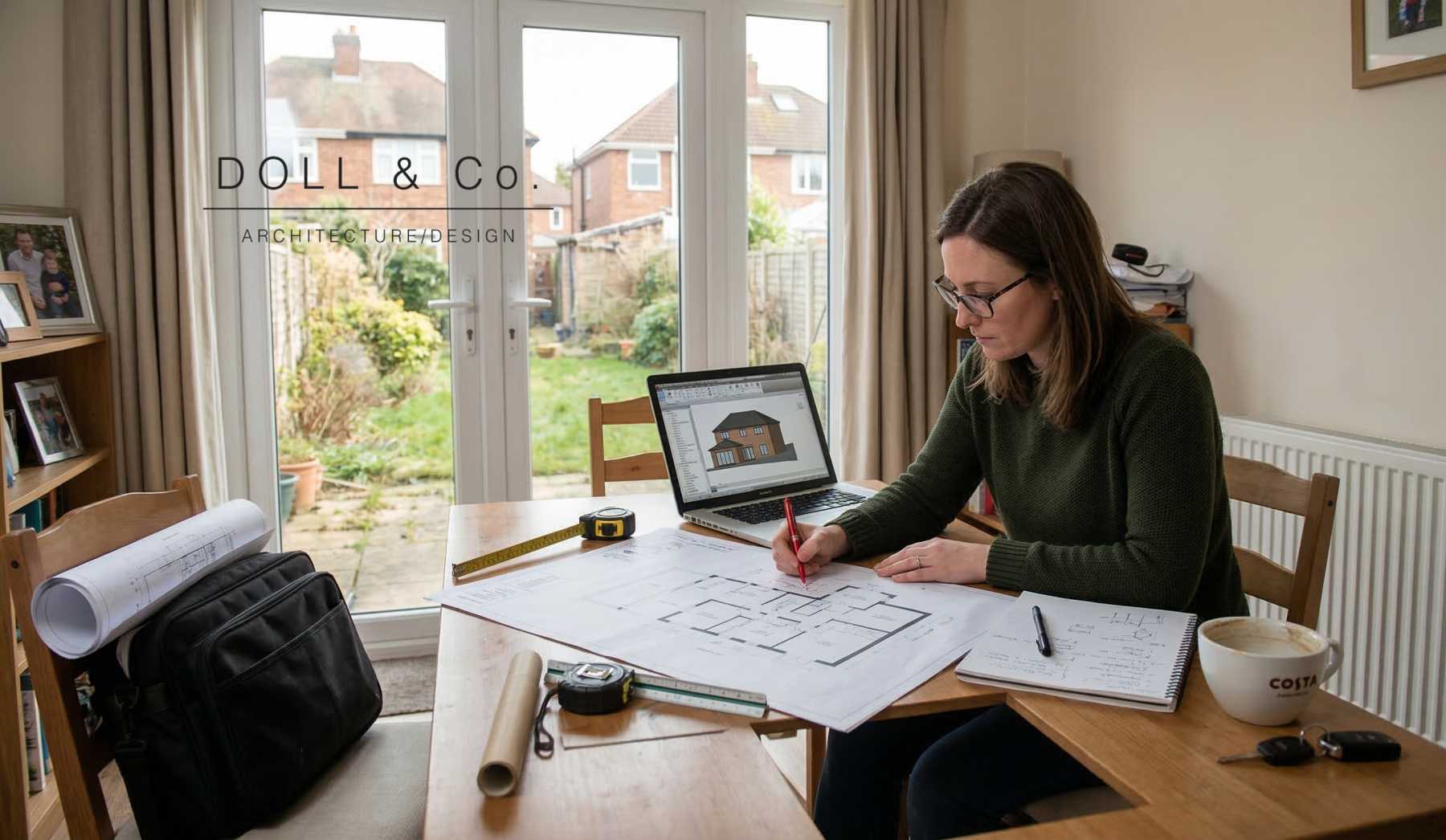
This guide is written as a buyer’s checklist. It covers what to decide early, what to expect from approvals, and what information a contractor will need to keep the sequence calm. If you are balancing the project alongside a busy diary, the aim is simple, reduce decisions on site and increase decisions on paper.
Before we talk finishes, we confirm three practical items: what the rooms must do, what the site will allow, and what the approval route will require. That early discipline protects the programme and the budget, particularly in older buildings where the existing fabric rarely matches assumptions.
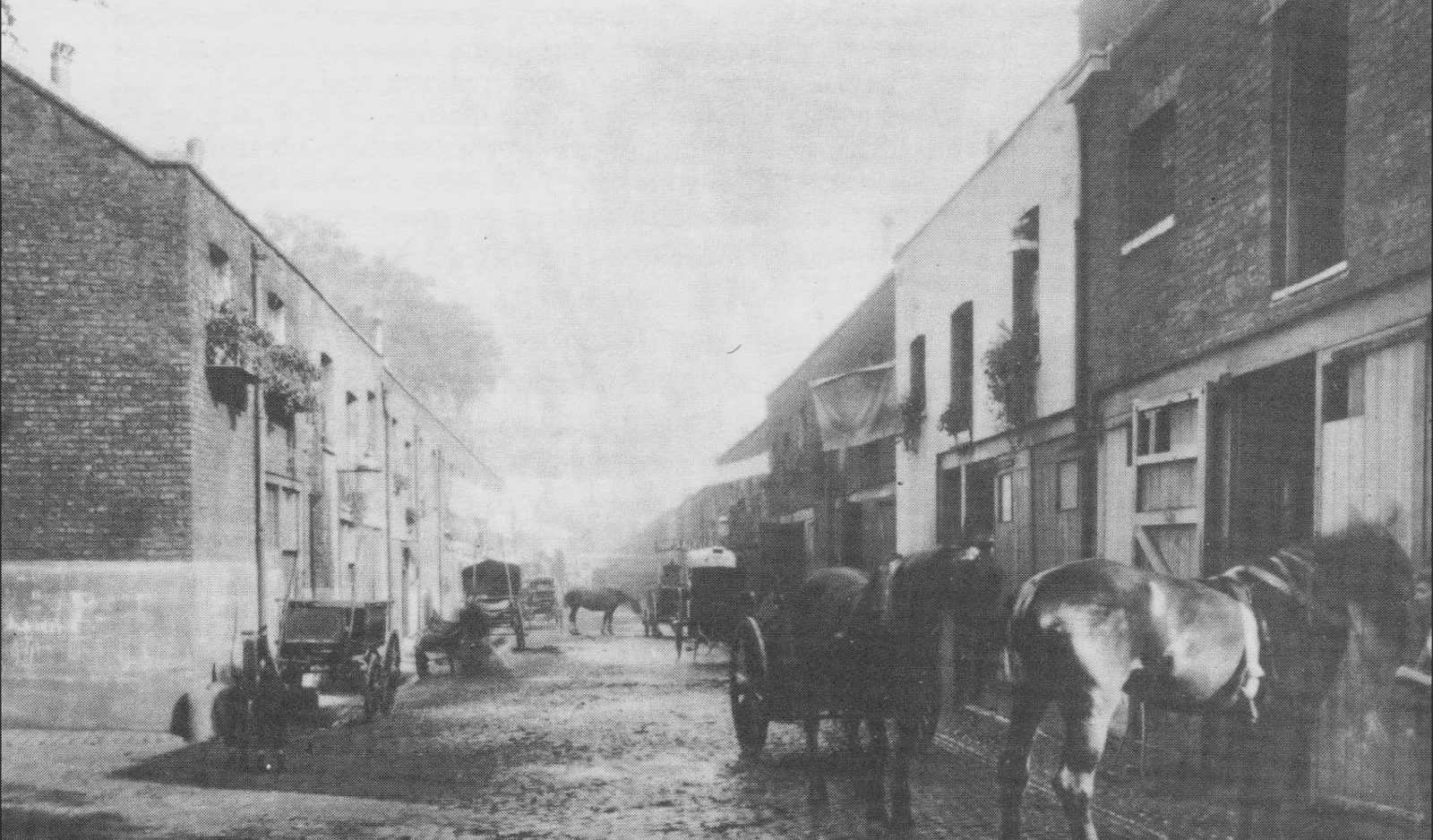
For context, start at DOLL & Co, then review scope on Services. If you want a reference for tight access and tidy detailing, Ensor Mews is a strong example. For a deeper explanation of sequencing and junctions, read our guide on extension decisions. When you are ready to talk timing and constraints, use Contact.
The Cheapest Decision Is The Early Decision. Most changes are affordable on paper and expensive on site.
When Your House Should Be Extended
The right moment is not always when you run out of room. It is when the layout no longer supports how you live. In a stucco-fronted townhouse the pinch point is often circulation between reception rooms and the kitchen. In a mews lane it can be storage and stair geometry. In a mansion block it is frequently a plan that ignores shared risers and acoustic separation.
From an operations angle, the clearest sign is repeated patching. If you are redrawing the same corner of the plan to make furniture fit, or you are adding cupboards because the flow is awkward, it is worth testing a more coherent change. A good brief will define what mornings and evenings should feel like, then we can shape the layout around those patterns.
If you want the project to feel calm, decide early how you will make choices. A short weekly touchpoint, a single list of decisions, and a clear sign-off route will keep momentum. It also prevents the same question being answered differently by different people once the contractor is on site.
Before you commit, we recommend confirming the basics that often change the scope. A measured survey, a quick structural review, and a look at drainage routes will stop optimistic layouts becoming expensive adjustments. On period properties, it is also worth checking prior alterations, old steels, and any history of movement, because those details influence sequencing and contingency.
It also helps to be honest about timing. If a property is in a conservation area, or the change affects a visible roofline, your programme will be influenced by approvals and lead times. A calm project begins by accepting that reality, then planning around it.

Choosing Areas For Calm Extensions
In London, the strongest additions usually sit where the building already wants to grow, often to the rear, into an underused side return, or into roof volume. Many extensions fail because they chase footprint rather than function. We start with daylight, privacy, and circulation, then we set the room proportions so the new area feels connected, not bolted on.
We also look at how the new plan meets the garden and whether the existing rooms become corridors. You want additional space, but you also want the original rooms to feel better. That is a design problem and a sequencing problem, because it affects where temporary partitions and protection will sit during construction.
Different homes ask for different approaches. A Georgian terrace often wants its reception rooms protected while the back of the plan becomes more informal. A mansion block often needs careful coordination of kitchens and bathrooms because service routes are limited. A mews property often needs a logistics plan as much as a design plan, narrow access, limited storage, and neighbours close enough to hear every delivery. We treat those realities as early inputs, so the proposal remains buildable rather than aspirational.
At this stage we identify what must be protected. Decorative plasterwork, stone fireplaces, sash window proportions, and original shutters carry authority. The best schemes retain those cues and introduce new elements with restraint, so old and new sit comfortably together.
Extension Architecture And The Planning Route
Extension architecture is where design meets approvals. Planning is not a formality, it is the structure that decides what is acceptable. We will set the planning strategy early, test massing and sightlines, and prepare a clear submission with a coherent story.
A disciplined planning submission is typically a blend of drawings, a clear heritage narrative where relevant, and a simple explanation of why the change improves daily life. We keep the tone measured and the information consistent, then we respond promptly to questions so the timetable does not drift.
From a timing perspective, we build a simple calendar around the likely milestones: survey completion, concept sign-off, submission, decision, and any conditions that must be cleared before construction starts. That calendar keeps decisions in the right order, so you are not choosing windows before openings are fixed, or committing to finishes before build-ups are agreed.
The most common delays come from misalignment. Planning, building control, and party wall procedures all have different requirements, and a managed block can add its own rules. We coordinate these routes so your contractor is not pricing a moving target and so decisions are not being revisited in the messy middle of site stage.
Where the property is listed or in a conservation setting, we begin by defining significance. That allows us to show what will remain, what will be repaired, and what will be altered. It also reduces risk later, because the intent is documented before technical decisions are finalised.
On sensitive streets, our approach is carefully evidenced and measured in tone. We explain significance, show the impact, and demonstrate why the change improves the existing building rather than competing with it. A chartered, professional team will also anticipate technical questions, ventilation, drainage, and structure, so the proposal remains buildable after approval.
Rear Extension Details That Protect Neighbours
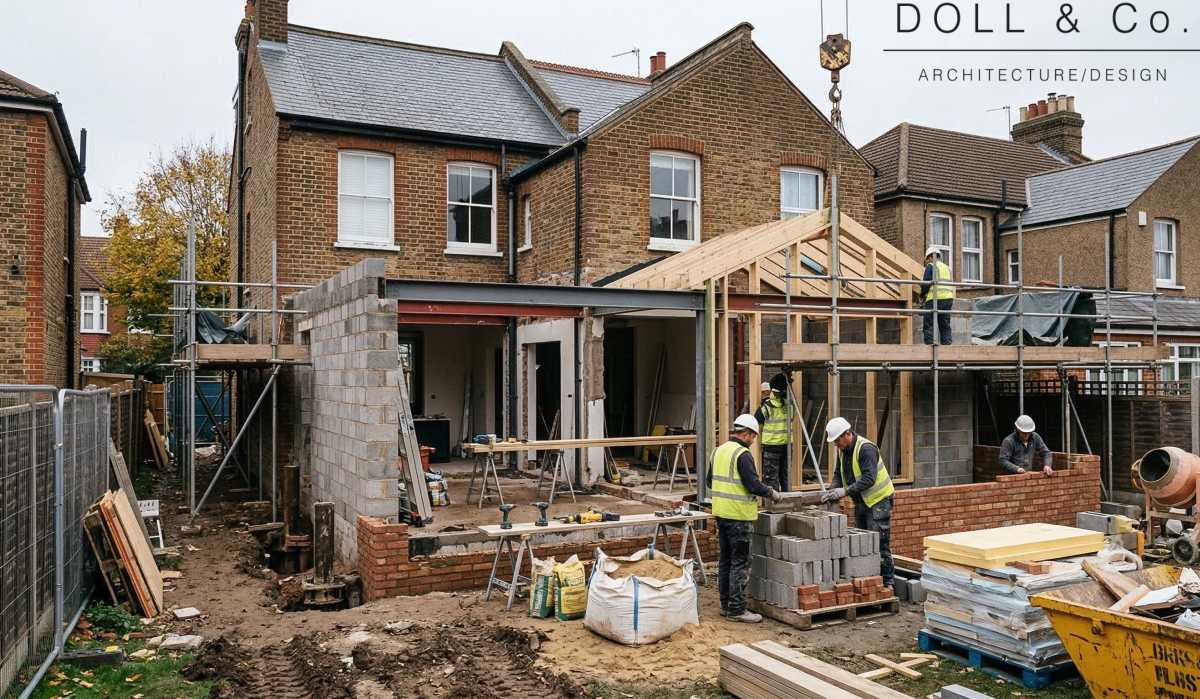
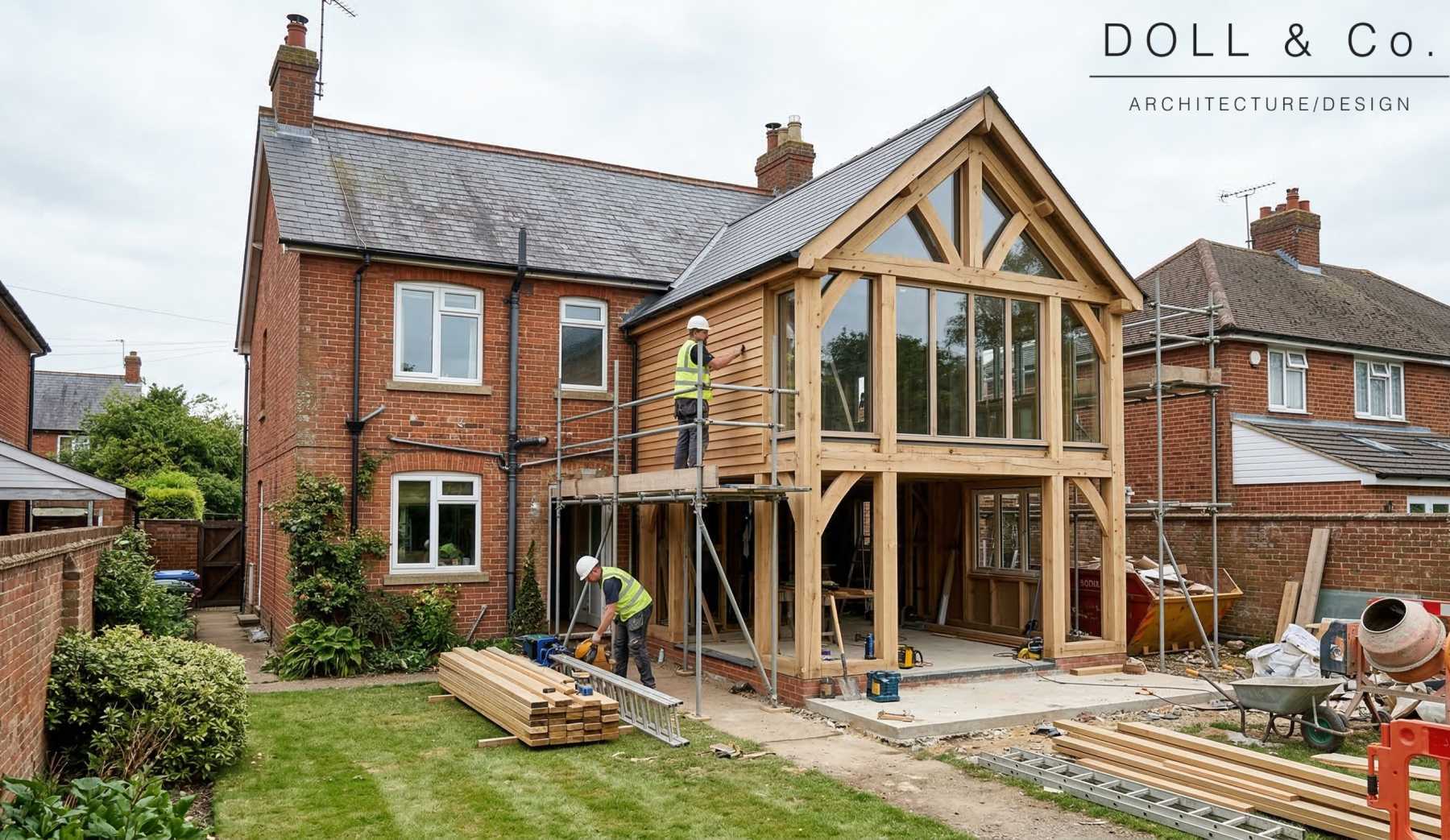
A rear extension can look straightforward on paper, but it is the point where the home is most exposed. Sequence matters. We plan how the opening is made, how weather-tightness is maintained, and how the site stays safe for a live household.
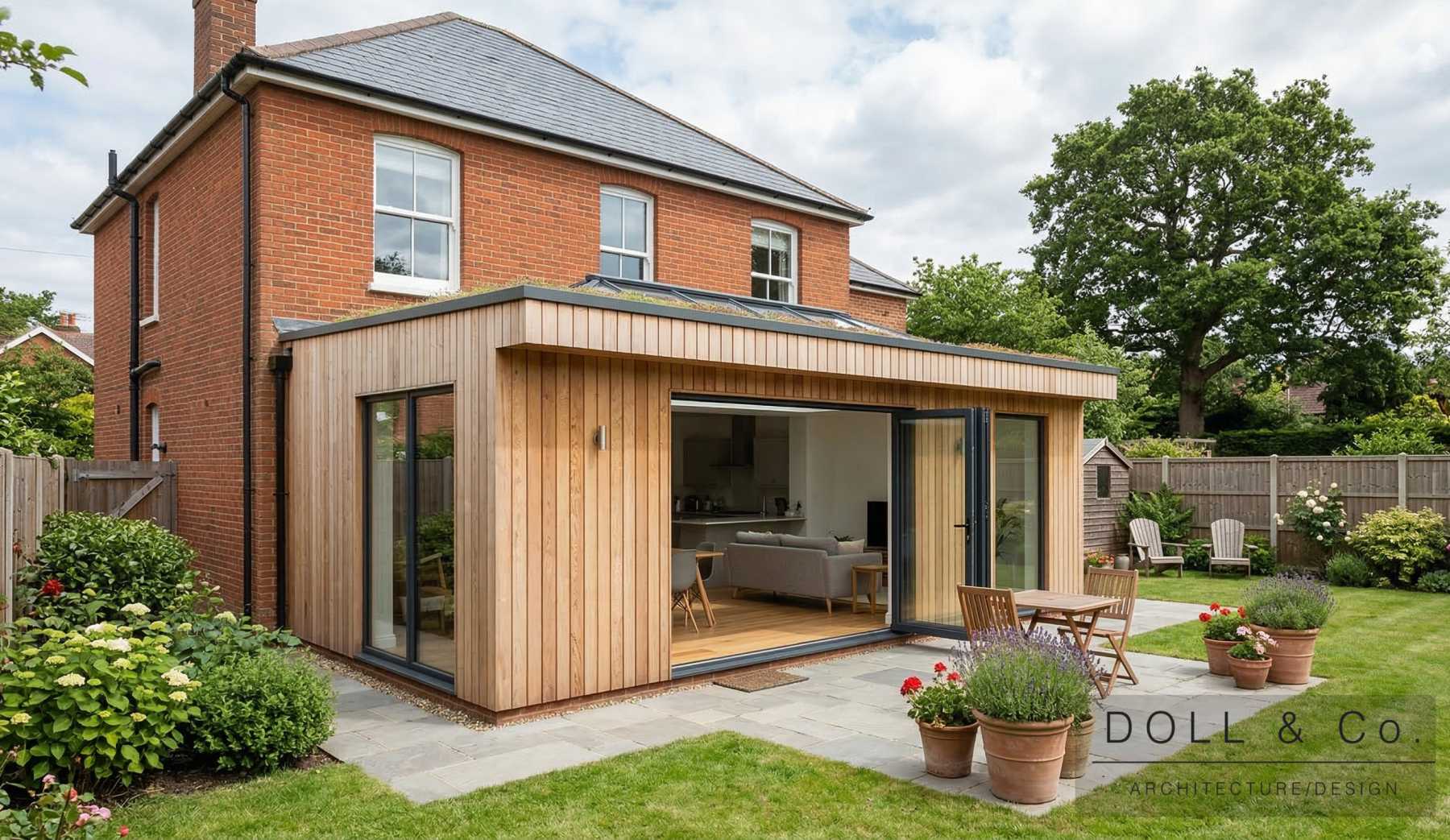
We also pay attention to comfort once the room is finished. Glazing size, opening type, and shading strategy influence glare and overheating. We will align these decisions with privacy and boundary conditions, so you are not forced into heavy blinds to make the room usable.
Neighbour comfort is also predictable. Overlooking, light spill, and noise complaints are common on tight terraces and garden squares. We group the loud tasks, keep the timetable realistic, and communicate clearly so expectations are set early. Many extensions run smoothly when this part is treated as part of design, not a last-minute apology.
Detail control is where premium results show. Thresholds, drainage falls, and roof interfaces should be resolved before the contractor arrives. When the junctions are agreed early, the construction phase moves faster and the finished room reads as deliberate.
We also plan for everyday comfort. Heating strategy, ventilation routes, and where services can run will influence ceiling levels and joinery depth. Address these early and the room remains clean. Leave them late and you end up with boxed-in corners and awkward bulkheads that undermine an otherwise refined scheme.
House Extension Brief And Buildability
A house extension succeeds when the brief is specific. Instead of asking for more room, define how the room will be used at 8am and 8pm. That clarity guides the plan, lighting, and storage, and it keeps decisions tied to function rather than fashion.
We will also look at how the new layout changes the rest of the house. A calm addition improves the hallway, the stair, and the way you move between rooms. If the plan makes the original rooms feel smaller or darker, it is usually a sign the proportions need adjusting.
We will also coordinate the interior logic early. Ceiling lines, lighting positions, and joinery datums should be agreed before first fix, so the finished room feels intentional. This is where period cues can be handled with confidence, repaired cornices can sit beside crisp new joinery, original fireplaces can be retained without dominating the plan, and shutters can be integrated so the window wall reads as one composition.
In a typical London terrace, practical constraints will shape the programme. Access routes, waste removal, and where materials can be stored all affect cost and timing. We treat these constraints as part of the design, so the contractor is not improvising on day one.
Where the scheme touches shared walls, we coordinate party wall routes early so site relationships remain civil. Where the property sits above commercial space, we manage interfaces so servicing and security remain intact and the household remains private.
Extensions That Hold Up On Site
Most clients want speed, but speed only arrives when information is complete. These extensions stay calm when drawings, schedules, and specifications are issued in a sensible order, and when long-lead items are identified early.
Pricing is another point where quality is either protected or diluted. We prefer a clear scope that allows contractors to price the same information. Where assumptions are needed, we document them so comparisons remain fair.
We also take samples seriously. Stone, timber, and metal finishes read differently in daylight and evening light. We review key items early and keep the palette tight, so the room feels composed rather than busy. It is a small step that protects the final feel more than most clients expect.
A buyer’s guide question is simple: what will be issued before pricing, and what will be issued before the first fix stage. If the answers are vague, you are buying uncertainty.
Here is the short checklist we use to keep the site predictable:
Confirm access, deliveries, and waste routes before dates are fixed
Lock window sizes and structural openings before procurement begins
Set out key junctions, thresholds, drainage, and roof interfaces early
Agree a decision schedule for kitchen, bathroom, and joinery items
Keep a written decision trail so changes do not drift
Keep The Site Predictable. That is how quality is protected when timelines tighten.
On site, we protect the finish by keeping junctions repeatable. When details are repeatable, trades can deliver them consistently, and the room reads as resolved rather than assembled. This is especially important around floors, window reveals, and wet areas where tolerances matter.
We also advise on procurement. Bespoke glazing, stone, and joinery set the pace. If they are selected late, the programme stretches. If they are selected early, the construction sequence remains steady and the home regains key rooms sooner.
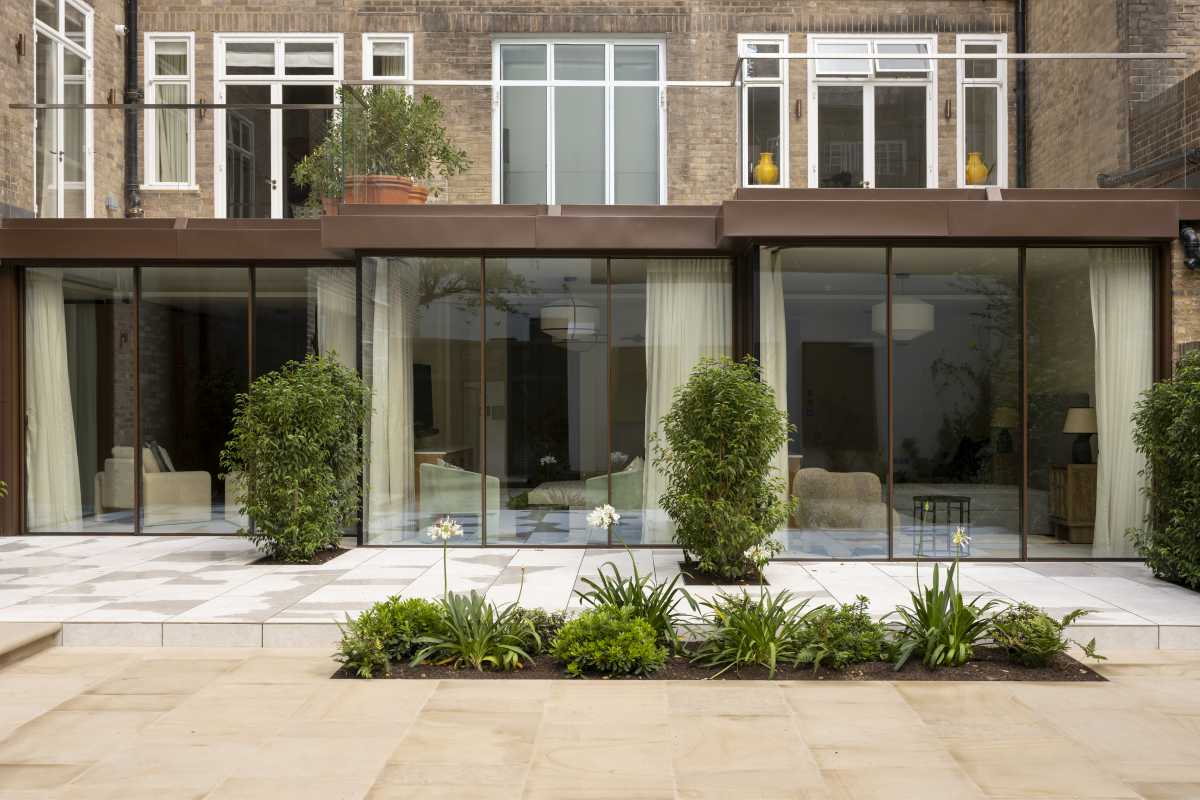
Extension Projects And The Extension Renovation Reality
Most extension projects succeed when the scope stays stable after pricing. That stability is not accidental, it is the result of a clear brief, coordinated drawings, and an agreed decision rhythm. Successful extensions are the ones where the contractor is not asked to guess.
This is where extension architects add value. They keep the decision trail visible, and a clear architects extension brief stays in view, they coordinate interfaces between structure, glazing, and waterproofing, and they reduce abortive effort. When a detail is unresolved, it tends to move from design discussion to site argument, which is the most expensive place for it to live.
An extension renovation is usually a blend of new construction and careful repair. In older houses the existing fabric will reveal surprises once ceilings are opened, so we plan a sensible contingency and keep records clear. The goal is not to eliminate change, it is to control it.
We also plan for the human reality. If you are living in the property, we will set clean routes, define what rooms return first, and keep temporary services stable. If you are decanting, we will still plan protection and security so the property remains safe while the contractor is on site.
To keep one extension project calm, we align approval dates with procurement, then sequence tasks so weather-tightness arrives early. The work stays predictable when questions are answered quickly and the drawings remain the single point of truth.
For larger house extensions, we confirm the sequencing room by room and agree a communication rhythm so you are never guessing what happens next. A home extension should feel like a continuation of the house, not a separate scheme stitched on later.
Close-out matters. We will treat snagging as a defined stage, not an afterthought, and we will agree a timetable for resolving items so you can settle in without an endless tail. We also make sure you have the information needed for maintenance, finishes schedules, warranties, and any commissioning notes for heating and ventilation.
After completion, we also encourage a short review once the home has settled. Timber moves, paint cures, and mechanical systems often need minor adjustments. A planned follow-up keeps the finish crisp and prevents small issues becoming persistent irritations.
The practical buyer’s guide question is who owns the day-to-day coordination once construction starts. That answer tells you whether the work will feel orderly. It also tells you how the team will respond when the programme tightens and the site needs a decision the same day.
Frequently Asked Questions
What Is The 50% Rule For House Extension?
This can appear in planning discussions, but it is not a universal test. We will assess the local policy and precedent before advising.
How Much Does An Architect Charge For An Extension?
Fees vary by scope and service level. A defined brief and a clear planning route are the best ways to keep the number proportionate.
Is It Worth Getting An Architect For An Extension?
Yes, where approvals, structure, and neighbour constraints are involved. The value is clarity, fewer late changes, and a calmer construction sequence.
How Much Does A 3m By 4m Extension Cost?
Cost depends on access, specification, and structural complexity. We will set a realistic range once the scope and constraints are confirmed.
Author

Ian Dollamore
DOLL & Co.
Ian is a leading architect and designer with extensive experience across the luxury real estate sector.
Date
Share article