Journal
A Guide To Heritage Work In Prime Residential Homes
A Guide To Heritage Work In Prime Residential Homes
Written From The Operations Desk At DOLL & Co.
Table Of Contents
What You Are Really Buying
Listed Buildings And The Grade Conversation
Heritage Planning And The Route To Consent
Heritage Conservation And Repair Logic
Design That Respects The Existing Fabric
A Practical Process For A Residential Project
Common Details We Coordinate In Heritage Homes
Next Steps
Useful Links
Frequently Asked Questions
What You Are Really Buying
When people search for heritage architects london, they are rarely chasing nostalgia. They want a home that performs better, without losing the character that made them buy it. In practice you are appointing judgement, an orderly programme, and a team that will document decisions so the site does not drift.
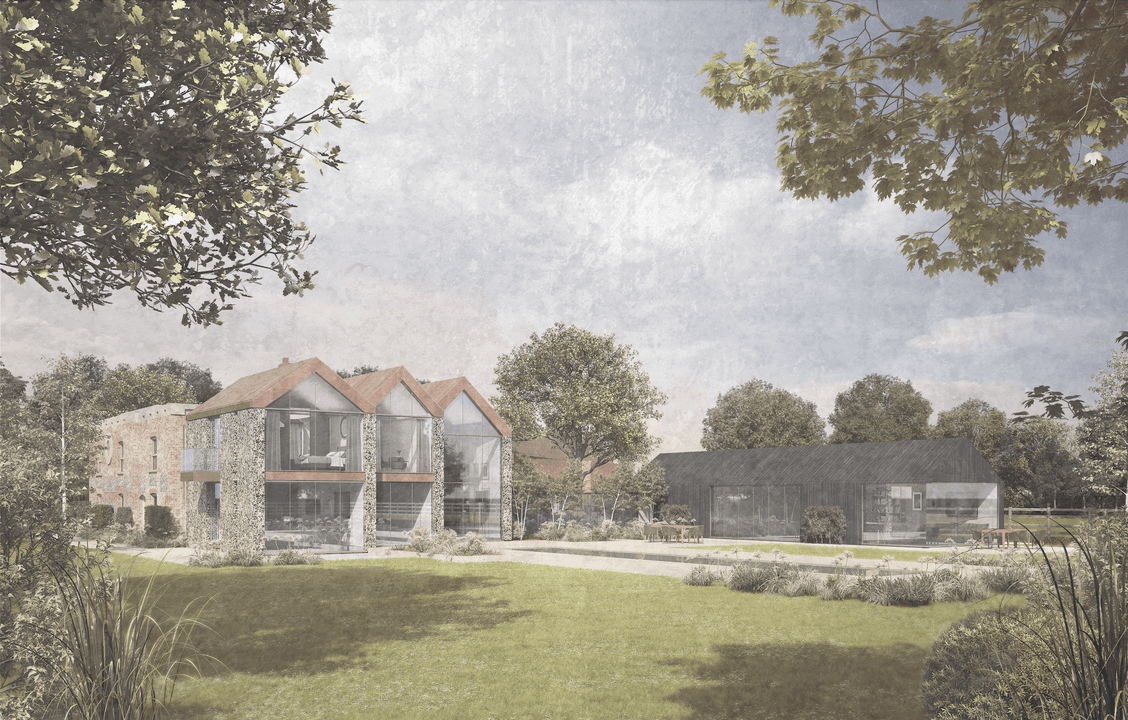
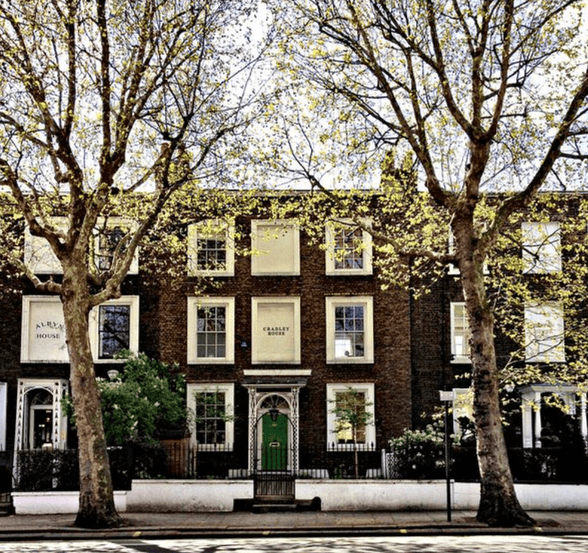
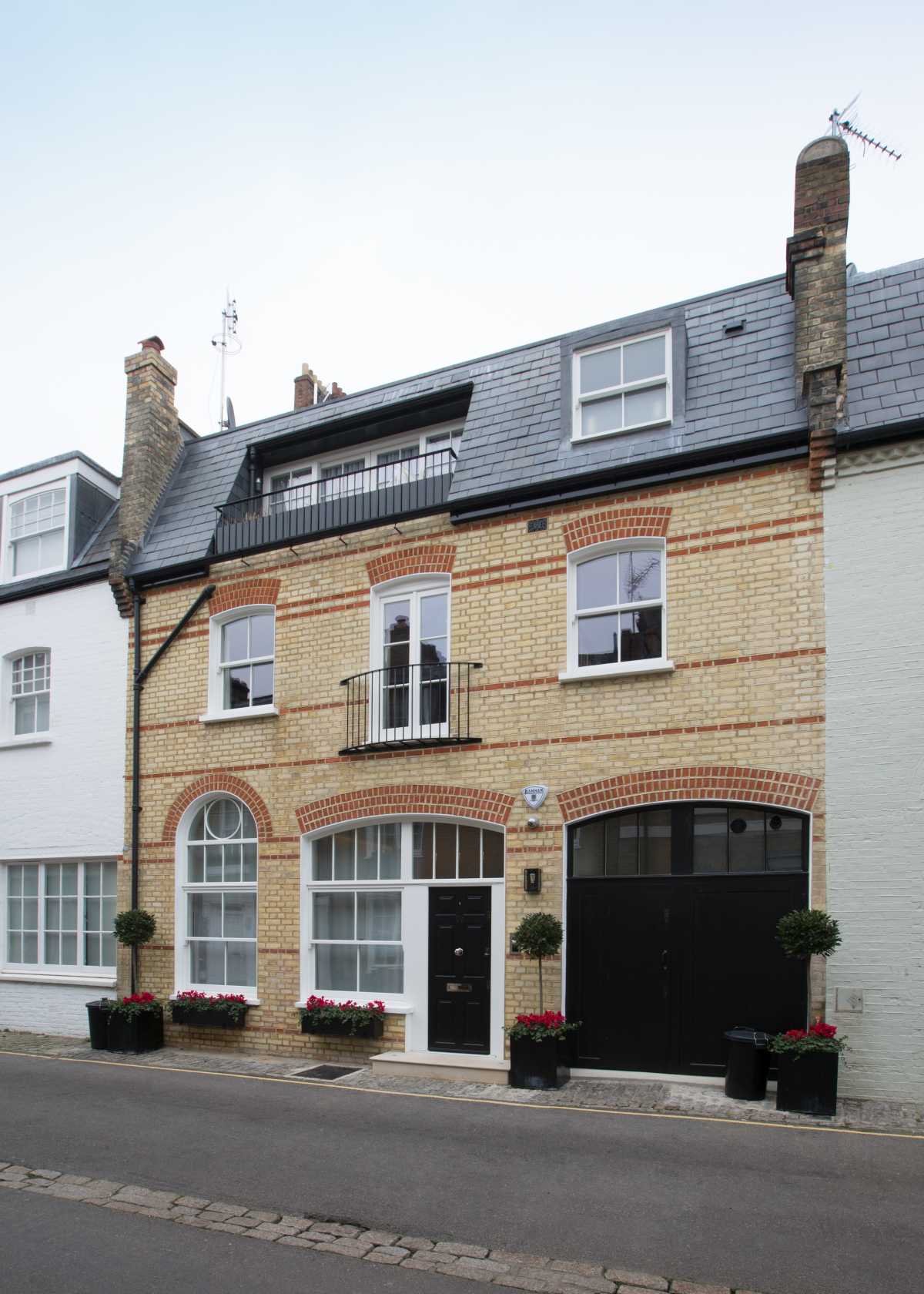
We work across stucco-fronted townhouses, Georgian terraces, mews houses, mansion blocks, and carefully upgraded modern developments. Each comes with its own rules, but the principle stays the same, understand significance first, then improve comfort with restraint. Our heritage team will lead that assessment, and we will bring in specialists when the condition or structure needs deeper investigation.
The Strongest Schemes Feel Inevitable. They improve daily life, but still respect the place.
Listed Buildings And The Grade Conversation
Listed buildings are not all the same. The first question is what grade applies. Grade I, Grade II* and Grade II each imply different scrutiny, different evidence, and different tolerance for change. We start by confirming what is listed and why, then we set out what will remain untouched and what can be improved.
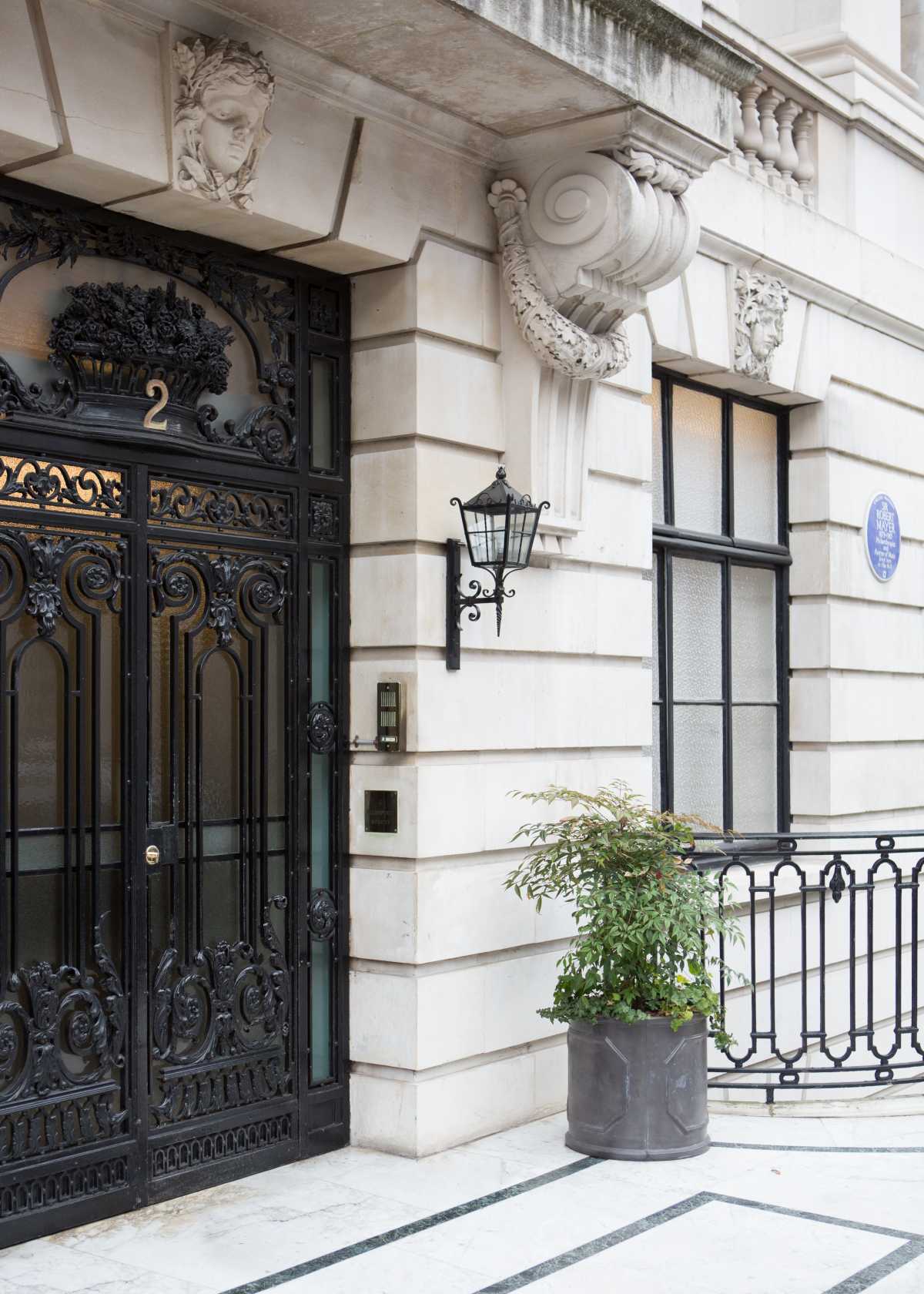
In higher-value homes, the details that matter are often already present, decorative plasterwork and cornicing, stone fireplaces, tall sash windows, and wrought-iron balconies. Good work protects those elements, then quietly integrates new services so the house feels comfortable year-round. Our listed building approach is to keep interventions small, carefully detailed, and consistent in tone.
A practical test when you review proposals is to look for the hard junctions. Thresholds, shutter returns, wet-room build-ups, and cornice interfaces should be shown clearly. That level of information reduces surprises once the existing fabric is opened up, and it makes the work on site calmer.
Heritage Planning And The Route To Consent
Heritage planning is where the project becomes accountable. We will define the strategy, confirm what needs consent, and prepare planning applications that remain consistent from first drawings to technical issue. In many cases there are two routes to manage, listed building consent and the wider planning system, and both must tell the same story.
Planning is also a sequencing tool. It sets what can be built, and it influences when key orders can be placed. We keep evidence concise, we respond quickly to questions, and we track conditions so the programme remains predictable. This is where planning architects london experience matters most, because clarity early prevents costly redesign later.
Heritage Conservation And Repair Logic
Heritage conservation is practical, not precious. The aim is to repair what can be repaired, and to replace only where performance or safety demands it. We will set a conservation approach that preserves significance and improves comfort, and we will specify materials that age well. It is also conservation architecture with building conservation discipline, where fixings, tolerances, and maintenance are properly thought through.
Existing timber, stone, and plaster behave differently once you alter ventilation and heating. We coordinate that carefully so new and old sit together without cracking or staining. Sustainability sits naturally inside this approach, repair and performance upgrades can reduce waste and protect original fabric.
Design That Respects The Existing Fabric
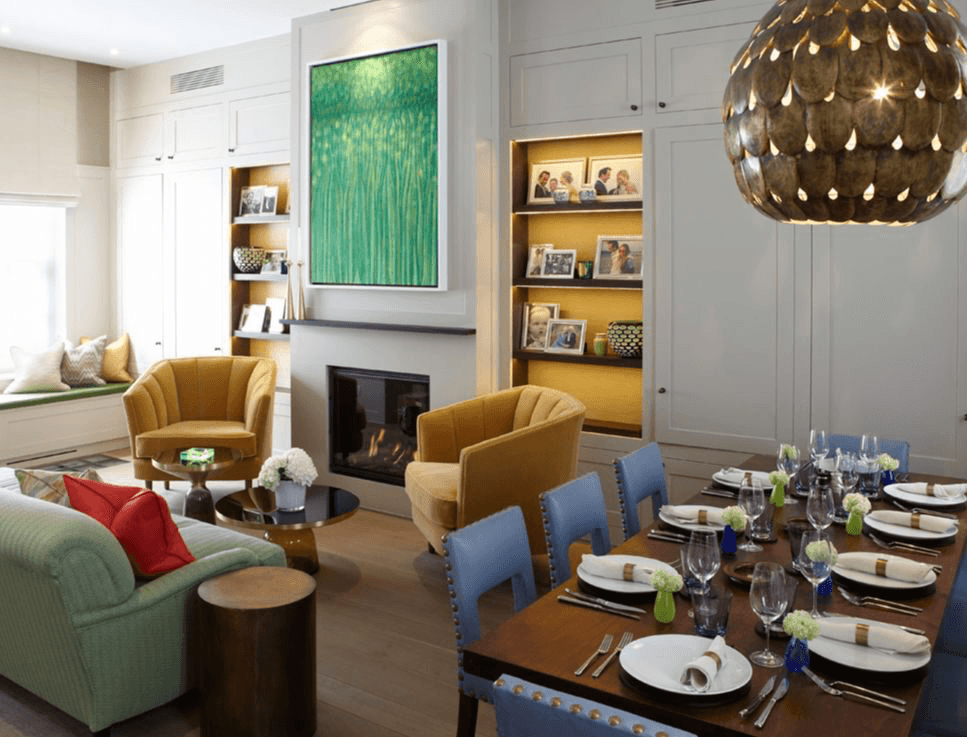
A refined scheme is built from a small number of decisions repeated consistently. Door lines align, joinery respects window heads, and lighting is layered so rooms feel composed at night. This is interior architecture as craft, not styling, and it is the difference between expensive finishes and truly settled interiors.
We will also be clear about impact. If a change risks neighbour objections or weakens the heritage argument, we will say so and propose an alternative that still meets the brief. Where a property includes commercial space below, or shared plant and risers, we address commercial interfaces early so the building remains safe and private.
Conservation architects often succeed by doing less, but doing it with mastery. That means precision on junctions, restraint in materials, and a clear narrative that honours the place.
A Practical Process For A Residential Project
A residential project runs well when stages are defined. Our process is simple: survey, concept, planning submission, technical coordination, then site support. We keep decisions recorded, we answer site queries quickly, and we keep the work sequence tidy so the home remains safe if you live in during the build.
Our architects London team will coordinate the contractor information so pricing is accurate and variations are controlled. You should expect one clear decision trail. It keeps costs predictable, and it stops the last month becoming a scramble.
Common Details We Coordinate In Heritage Homes
Before the contractor starts, we will confirm how key details will be delivered. That includes plaster repairs around cornices, joinery alignment to sash heads, and the way new bathrooms meet existing floors. We will also check ventilation routes, because comfort and long-term durability depend on it. Keep The Palette Quiet is a useful rule of thumb here, fewer materials, better set-out, and repeatable details that trades can deliver consistently.
Next Steps
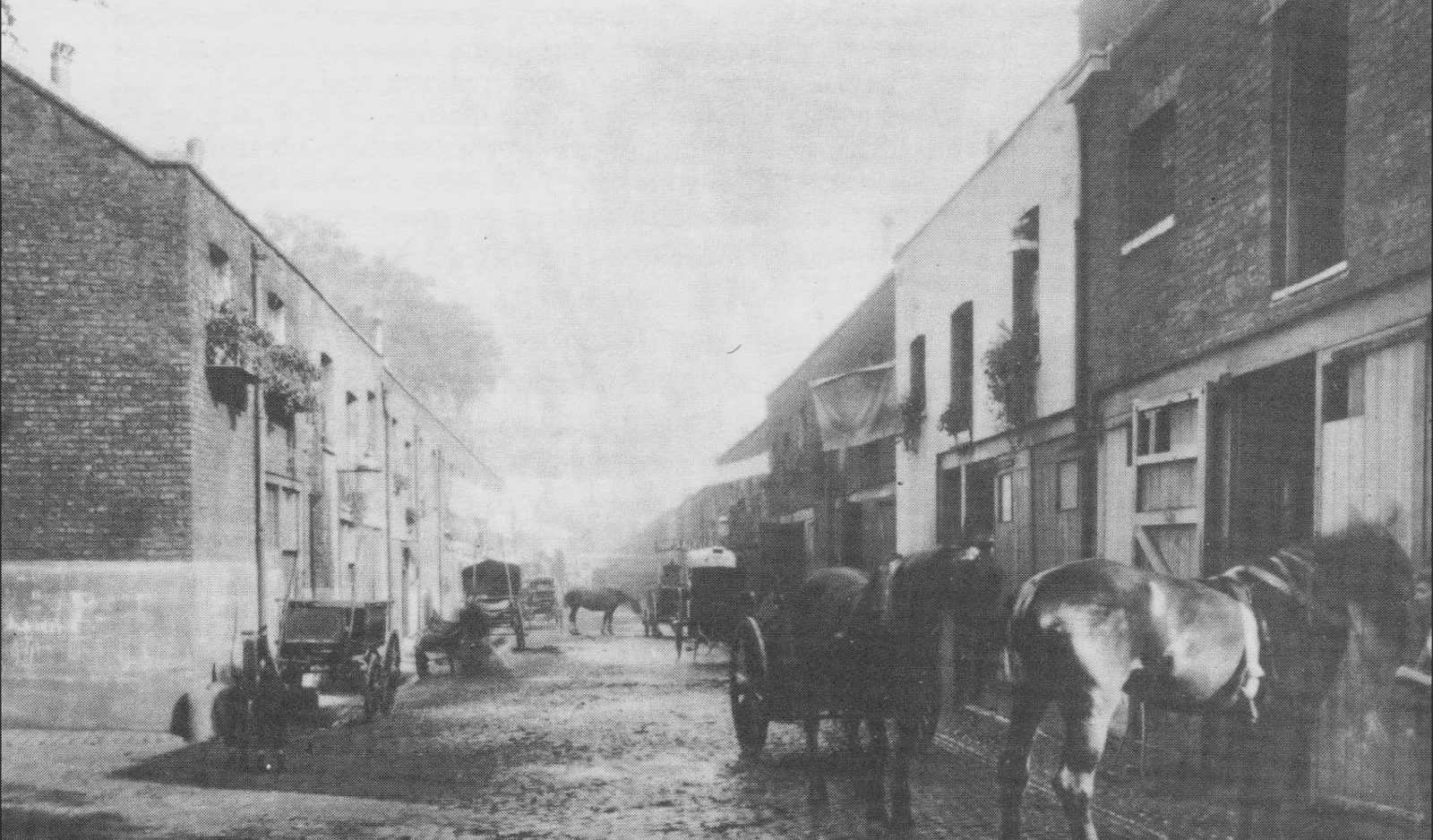
If you are considering a listed building or a conservation area property, start with Services to understand scope, then review a relevant case study such as Ensor Mews. When you are ready to talk timing and constraints, use Contact.
Frequently Asked Questions
Do I Need Consent For Internal Changes?
If the property is listed, consent is commonly required for internal alterations, even when external appearance is unchanged.
How Long Does The Process Take?
Timelines vary by grade, scope, and the quality of the submission. A disciplined sequence keeps work moving and reduces delays.
What Does Conservation Mean In Practice?
It means repair first, carefully targeted change second, and design decisions that respect significance.
Author

Ian Dollamore
DOLL & Co.
Ian is a leading architect and designer with extensive experience across the luxury real estate sector.
Date
Share article