Journal
Bespoke Conservation Architect London And Top Conservation Architects
Bespoke Conservation Architect London And Top Conservation Architects
Table Of Contents
Why You Need Specialist London Conservation Architects
Complex London Conservation
Working Within Prominent Conservation Areas
The Role Of A Master Conservation Architect
Collaborating With Strict Conservation Officers
Insight From Our Senior Conservation Team
How Our Conservation Architects Deliver Flawless Results
Frequently Asked Questions
Welcome. I oversee the daily operations here at Doll & Co. Over the years, I have managed hundreds of structural transformations across the United Kingdom. When it comes to restoring and updating historic properties, our studio brings a wealth of hands-on experience and a practical understanding of how period buildings actually work.
Purchasing or renovating a period home requires a genuine respect for local history, paired with a realistic plan for modern living. This guide explains how our team will handle your property, providing clear guidance and total certainty from the early planning stages right through to completion. Whether you own a grand townhouse in Hans Town or a characterful mews in Chelsea, we will ensure your space is restored thoughtfully and finished to an exceptional standard. You can learn more about our team and working ethos on our About Us page.
Why You Need Specialist London Conservation Architects
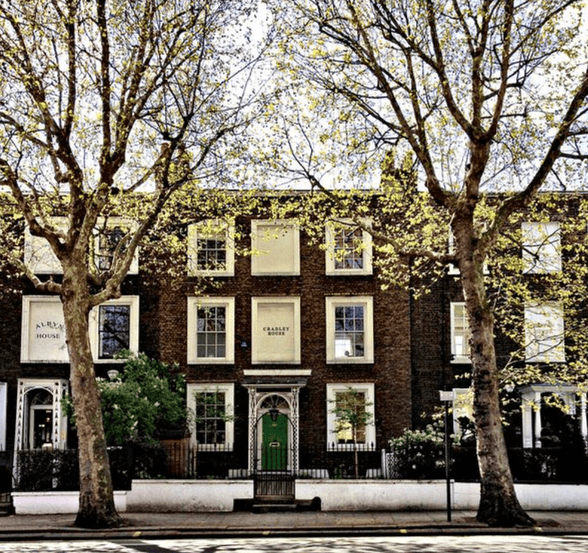
Buying a period property in London is a significant commitment. The streetscapes of the capital feature some of the finest residential architecture in the world. From stucco-fronted Victorian townhouses to quiet Georgian terraces, the local streetscape is rich with history. Our team will ensure these historic elements are carefully preserved while introducing subtle, modern updates inside.
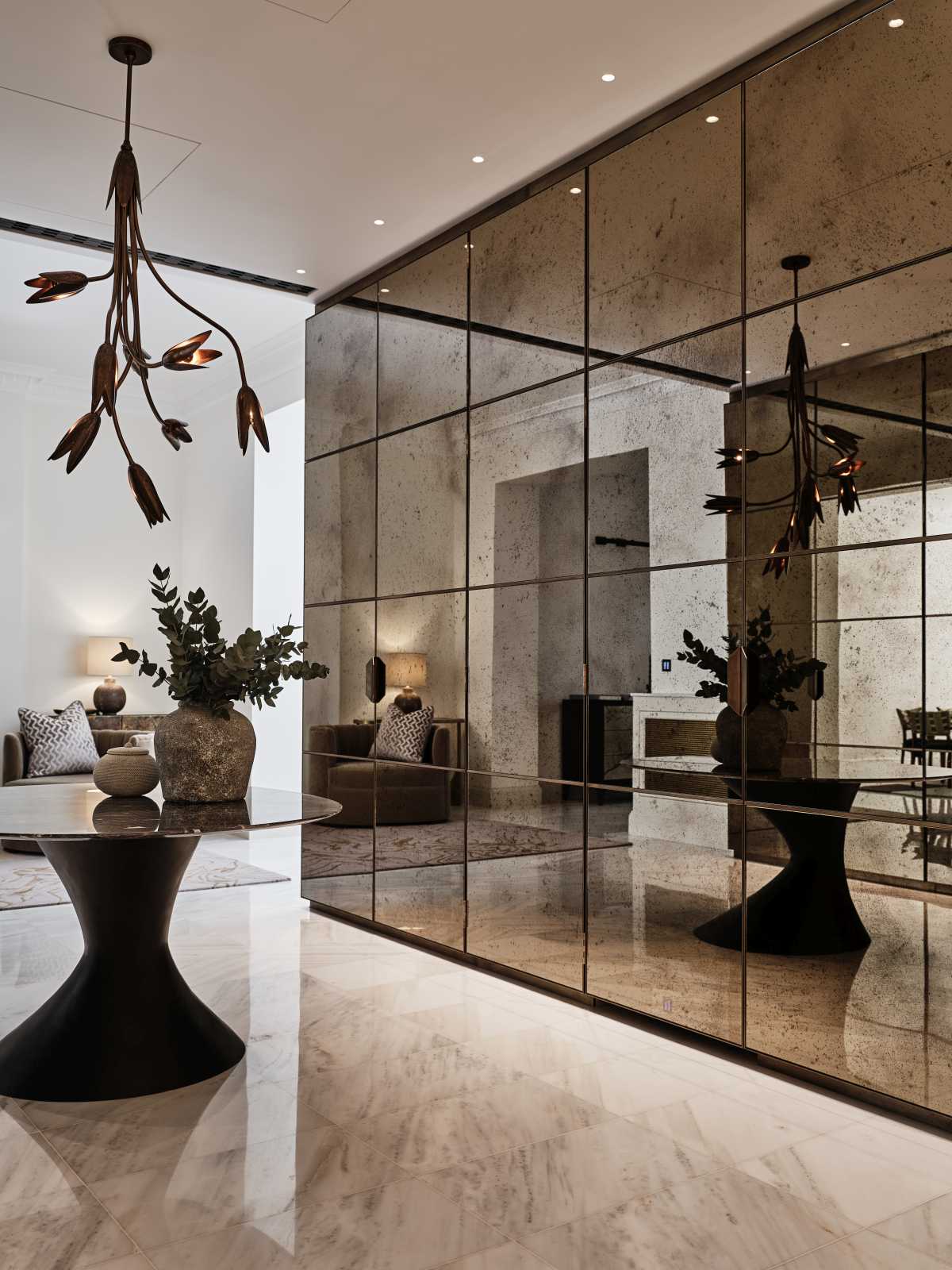
Standard building practices simply do not work on historic structures. Our team of specialist architects will evaluate your property with complete care and technical accuracy. We understand the delicate balance required to maintain a classical facade while reshaping the internal floor plan for family life. We will restore original marble fireplaces, repair delicate cornicing, and protect ornamental plasterwork so it remains a key feature of the home.
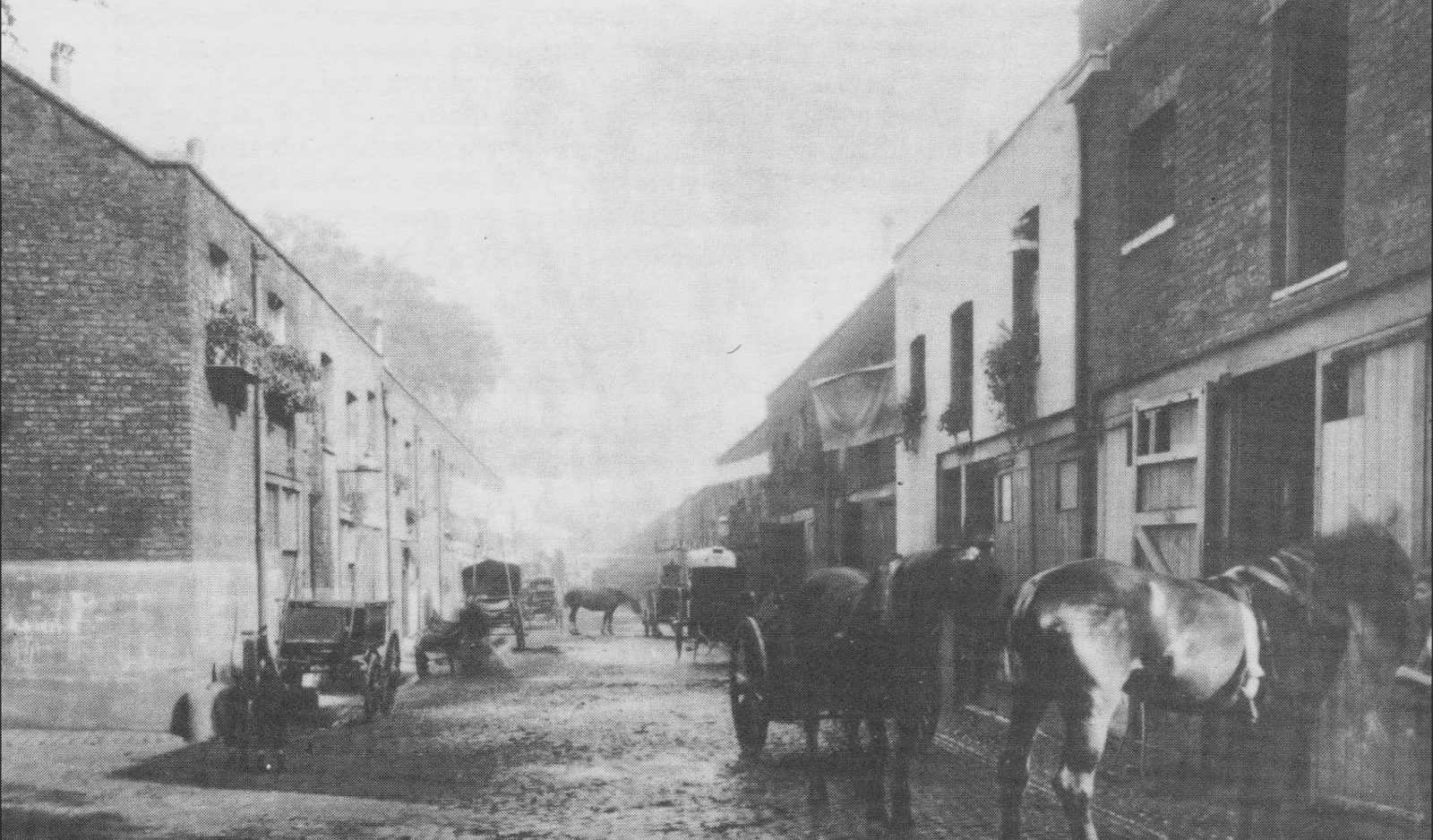
Every recommendation we make is grounded in practical construction experience. Working on narrow streets or quiet cobbled lanes requires careful site management and logistical planning. You can explore more about these unique properties in our journal entry on The Evolution of London's Mews Houses. We will manage these logistics directly, keeping your project running on schedule and without unnecessary friction.
Complex London Conservation
The regulations protecting heritage homes across the capital are detailed and strict. Navigating London conservation policies requires a thorough understanding of local council expectations. We will handle these requirements on your behalf, preparing clear applications that explain every proposed change.
Whether we are updating an Arts and Crafts house or integrating clean, contemporary lines behind a traditional brick facade, we will maintain the structural integrity of the original building. We regularly work with Italianate stucco and Queen Anne Revival buildings, meaning our knowledge of traditional materials is extensive. We will source bespoke ironmongery, custom timber sash windows, and hand-made bricks to match the existing building fabric seamlessly.
Before any physical work starts, we will conduct a detailed survey of the structure. This allows us to spot potential issues early, ensuring every intervention we propose is structurally sound and historically appropriate. We will treat your property with the care it deserves, guaranteeing a finish that is durable, beautiful, and authentic to its era.
Working Within Prominent Conservation Areas
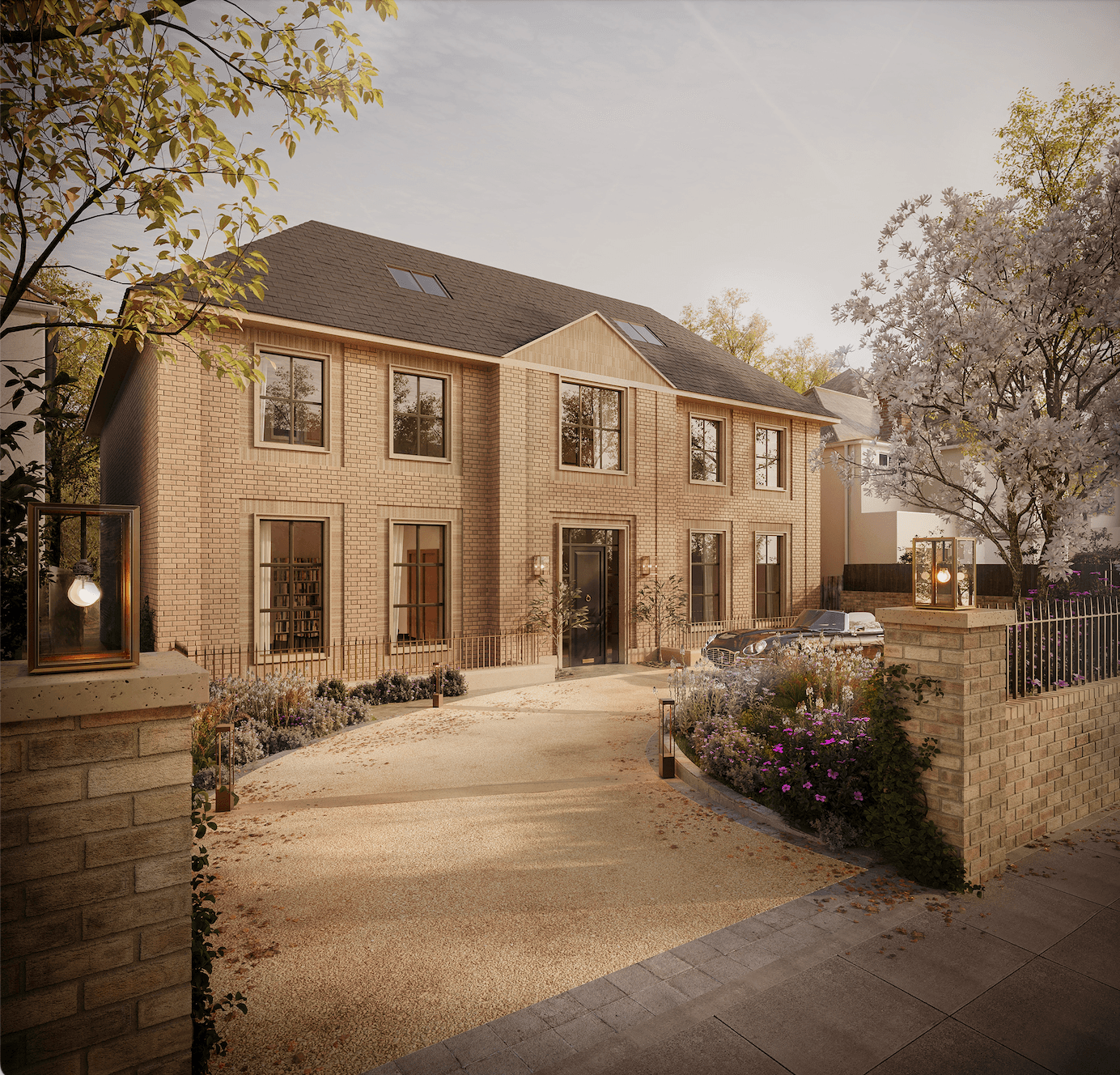
Many of London’s finest residential streets sit within designated conservation areas. This designation means that any change to the exterior elevation must be fully justified to the local authority. We will design extensions and external alterations that sit comfortably alongside neighboring properties while enhancing the character of the street.
From garden square properties to Edwardian mansion blocks, we have successfully managed numerous projects within protected zones. We will analyze the historical context of your street to ensure our design respects the local architectural language. Our considered approach ensures your home feels like a natural part of the neighbourhood rather than a jarring addition.
The Role Of A Master Conservation Architect
A dedicated conservation architect acts as a guardian of the property’s story. When you work with Doll & Co., you receive the full attention of an experienced team. We frequently integrate modern elements into historic frames, including discreet subterranean basement extensions that accommodate family media rooms, home gyms, or utility spaces.
We treat building conservation as a collaborative, practical craft. Our team pays close attention to the spatial flow of every room. We will design double-height reception areas that make the most of natural light, specifying large sash windows and slimline glazing where appropriate. We will integrate modern heating, lighting, and home automation systems subtly, ensuring that technology never visually overpowers the period features.
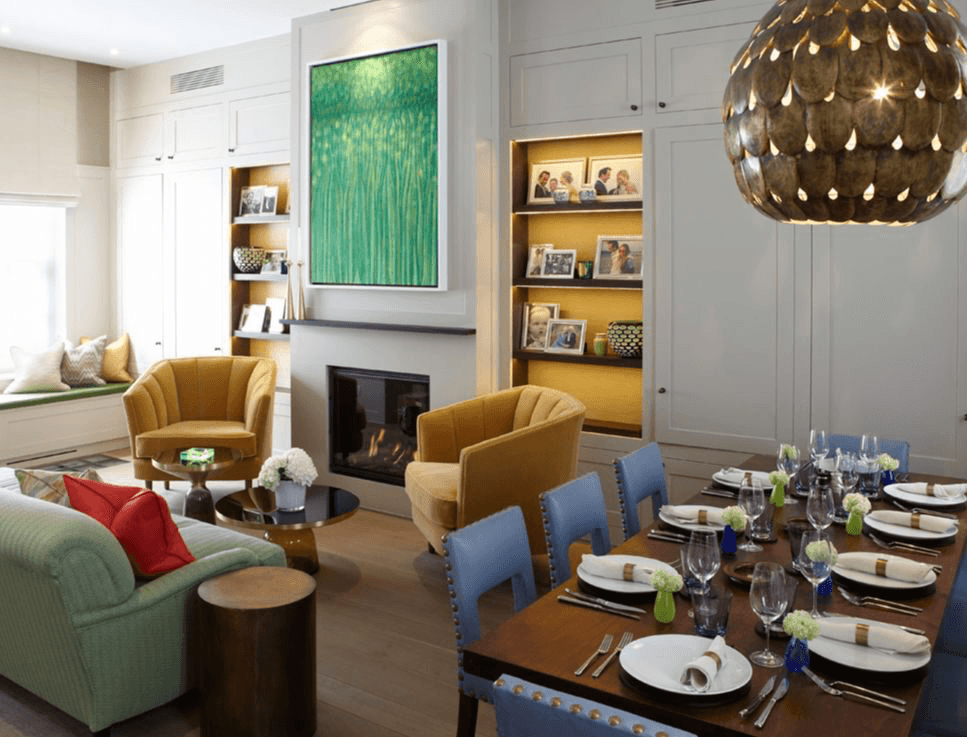
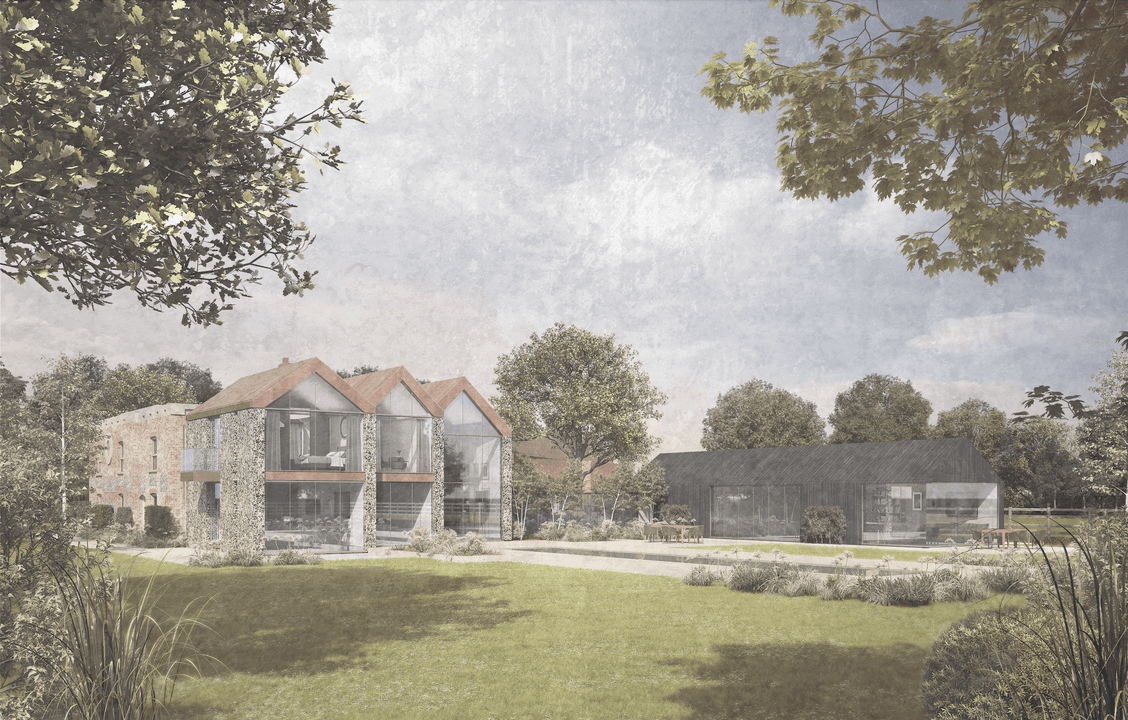
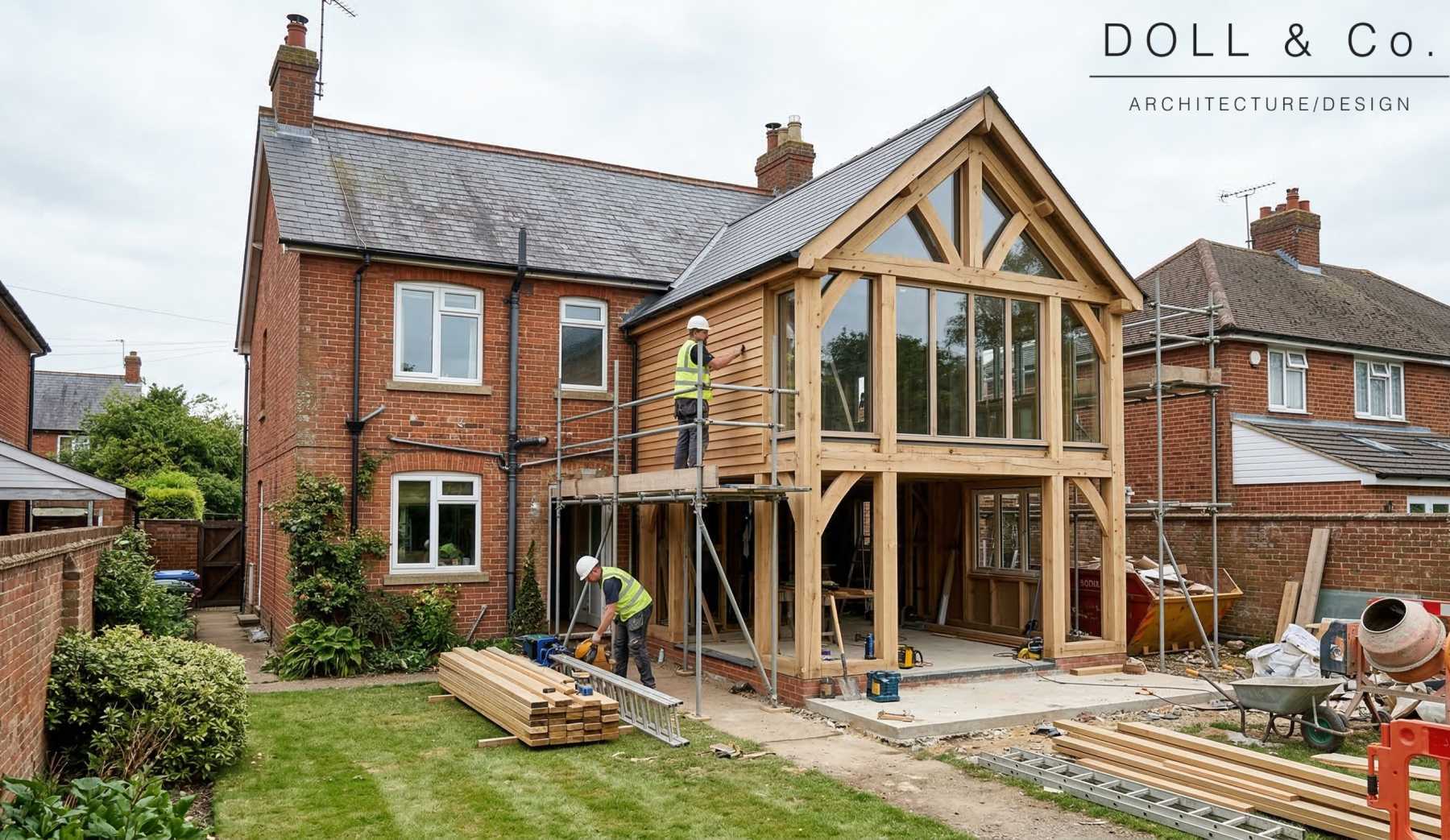
True conservation work requires both vision and technical discipline. We will carry out a complete refurbishment that honors the past while meeting all the demands of modern living. Inside, our interior team will select materials that age gracefully, from chevron parquet timber floors to built-in cabinetry designed around your daily routine. You can read about a prime example of this balanced approach in our case study on an Ambitious Extension on a Listed Manor House.
Collaborating With Strict Conservation Officers
Over many years of working in London, we have built professional, constructive relationships with local conservation officers. These officers have a duty to safeguard protected buildings, and we respect their role. We will manage all dialogue with local planners, presenting thorough research, detailed drawings, and clear physical material samples.
We will prepare complete, well-reasoned planning packages. Our thorough preparation means we address potential questions before they become formal objections. Whether you are looking to add a mansard roof conversion with lead-clad dormers or open up formal ground-floor rooms to create a more fluid living space, we will secure the necessary approvals. Our straightforward management will keep your project moving forward clearly and efficiently.
Insight From Our Senior Conservation Team
Our senior team oversees every stage of the design and build process. We know that the success of a period renovation relies on the subtle details, such as hiding modern climate control ducts behind existing timber panelling or matching traditional lime plaster blends.
Every historic property type requires a slightly different approach:
Property Type | Historic Characteristic | Modern Doll & Co. Integration |
Stucco-Fronted Victorian Townhouses | Detailed plasterwork and high ceilings | Concealed smart lighting and underfloor heating |
Georgian Terraced Houses | Original timber joinery and stone hearths | Discreet rear extensions and subterranean utility spaces |
Mews Houses | Characterful brickwork and carriage doors | Open-plan living with custom storage and skylights |
Edwardian Mansion Blocks | Grand room proportions and central hallways | Reconfigured internal layouts with custom kitchens |
We will apply a tailored methodology to your specific home. Our architectural team will ensure every custom joinery piece, lighting detail, and material finish works harmoniously with the original building fabric.
How Our Conservation Architects Deliver Flawless Results
We focus on delivering clear, reliable results for every client. When you choose our team, you are working with professionals who understand both the creative and operational sides of construction.
Here is how we will manage your project:
We will perform a complete structural survey and historical assessment of the property.
We will lead all negotiations with local authority planning and conservation departments.
We will source authentic, high-quality traditional materials alongside bespoke modern fixtures.
We will oversee the construction phase directly to ensure all details are built to specification.
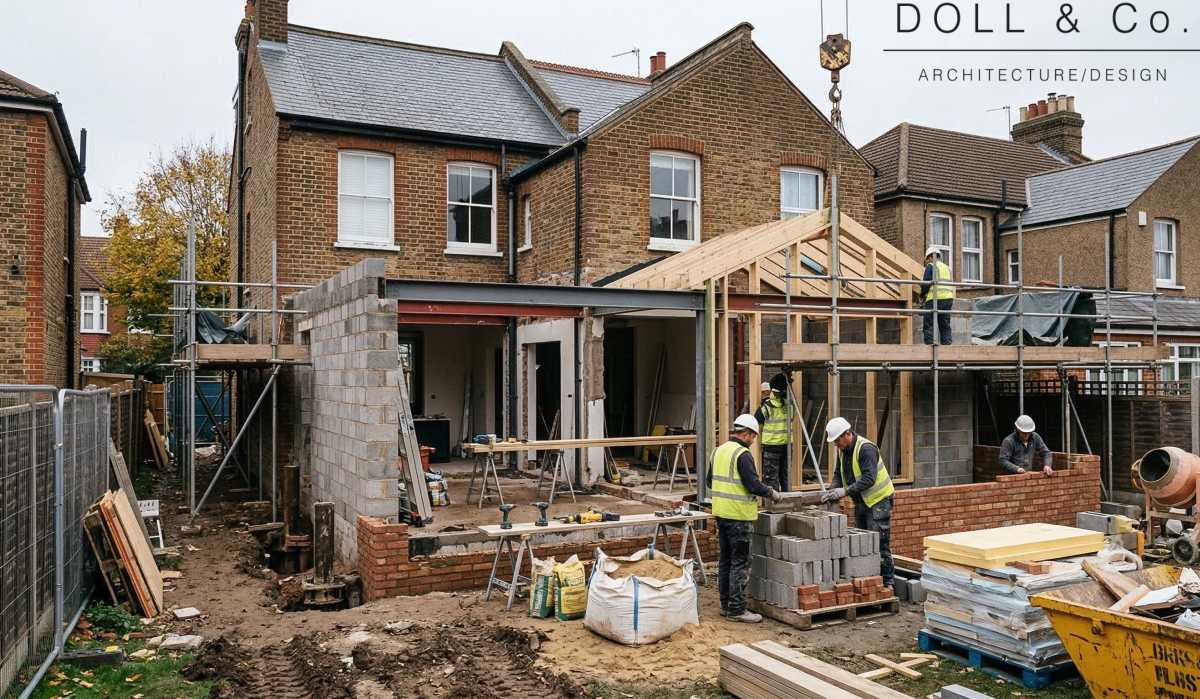
You can see an example of our practical execution on historic homes in our work at Stafford Terrace. We will bring this same focused management to your home, ensuring that its historical value is protected and its long-term market value is enhanced.
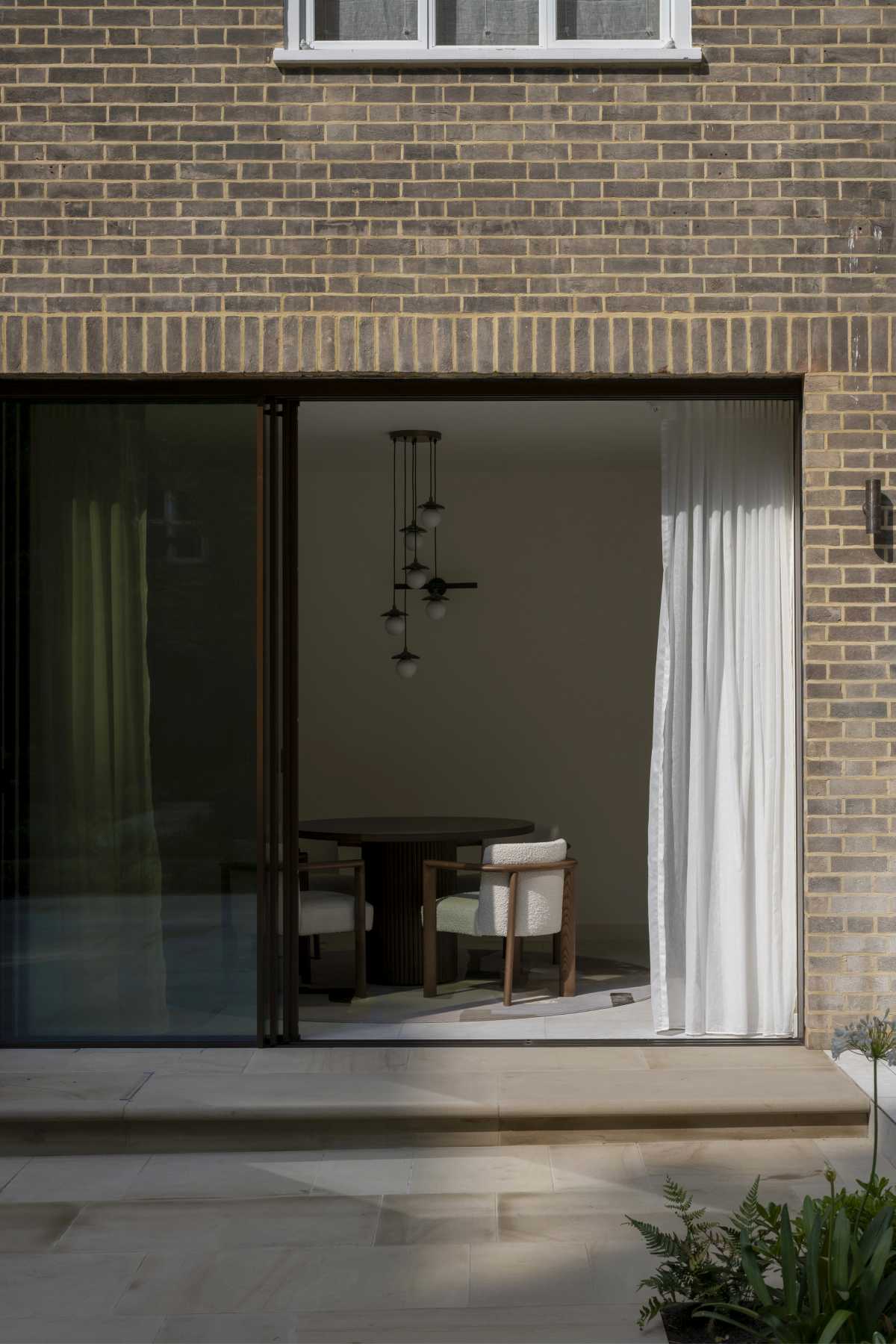
When dealing with a listed building, accuracy is essential. We will specify traditional lime mortars, breathable paints, and appropriate timber repair methods to ensure the health of the building structure. Understanding how old buildings breathe allows us to avoid damp issues and long-term material failure.
Reach out to our management team today to discuss your plans. Please visit our Contact Page to schedule an initial consultation. We look forward to hearing about your property and outlining how we will help you bring your vision to life.
Frequently Asked Questions
How much do conservation architects make in London?
Compensation for conservation specialists in London reflects the technical expertise required to manage complex, high-value assets. Senior professionals and directors at established firms earn competitive salaries because their knowledge prevents costly structural mistakes and secures essential planning permissions on protected homes.
How do you become a conservation architect?
In the United Kingdom, becoming a recognized conservation specialist requires completing standard professional architectural training (Parts 1, 2, and 3), followed by years of practical experience working on historic buildings. Architects then pursue formal accreditation through recognized professional bodies like the RIBA or IHBC.
Who is the most famous architect in London?
Sir Christopher Wren is historically one of London's most famous architects, having redesigned St Paul's Cathedral and numerous churches after the Great Fire of 1666. In residential architecture today, success is measured by how sensitively professionals adapt historic buildings for modern family living while preserving their original character.
Can architects make £100k a year?
Yes. Senior architects, associates, and practice directors in London frequently earn £100,000 or more per year. The level of detail, legal responsibility, and project management involved in overseeing major residential renovations justifies this tier of compensation.
What does a conservation architect do?
A conservation architect specializes in repairing, altering, and extending historic or listed buildings. They research the history of the structure, select traditional building materials, negotiate with local council heritage officers, and oversee construction to ensure the original building is protected while meeting modern living requirements.
Author

Ian Dollamore
DOLL & Co.
Ian is a leading architect and designer with extensive experience across the luxury real estate sector.
Date
Share article