Journal
Residential Architects London Buyers Guide
Residential Architects London Buyers Guide
Written from the operations desk at DOLL & Co.
Table of contents
Shortlisting With Confidence
Home Types and Detail That Shape Decisions
Approvals and the Planning Timeline
Technical Information and Deliverability
A Residential Project and Our Delivery Sequence
Interior Decisions That Keep the Finish Calm
Frequently Asked Questions
Residential Architects London Buyers Guide
If you are searching for residential architects london, you are not buying drawings. You are buying judgement. In this city, the difference between a calm outcome and a chaotic one is rarely the concept. It is the sequence of decisions, the clarity of the planning route, and whether the building information is good enough for a contractor to price and deliver without improvising.
I sit on the delivery side, so I see what happens when choices are late. A beautiful idea becomes a compromised build, and a premium budget becomes a tired series of variations. This buyer’s guide is written for a private client who wants a refined home and a predictable route to get there. If you are managing the brief alongside travel or a demanding diary, the same point applies, you need a team that will keep risk visible before it becomes disruption.
If you want context before you read further, start at DOLL & Co. The clearest overview of scope is on Services. If you want a reference for constrained access and tight detailing, look at Ensor Mews. If your brief includes an addition, our guide on What Is Extension Architecture sets out how we align layout, structure, and planning. When you are ready to talk, use Contact.
Across our projects, the best results come from the same discipline: fewer, better decisions. We see it in mews refurbishments, in townhouse reconfigurations, and in lateral flats where every junction is on display. The projects that run well are the ones where scope is stable, assumptions are documented, and the contractor is not asked to guess.
If you want a simple quality test, ask whether the drawings show the hard junctions. Thresholds, cornice interfaces, stair details, and wet room build-ups should be clear. When they are clear, the build becomes calmer. When they are missing, the build becomes a series of small debates.
Shortlisting With Confidence
When comparing london architects residential firms, ask for clarity, not poetry. You should leave the first conversation knowing what the next six months look like, what will be issued before tender, and who will be accountable for coordination once construction begins.
A strong shortlist tends to share the same traits. First, the planning approach is specific, not vague. Second, the technical package is buildable. Third, the decision record is disciplined, so the project does not drift. Fourth, the site plan is realistic for access, noise, and neighbour relations.
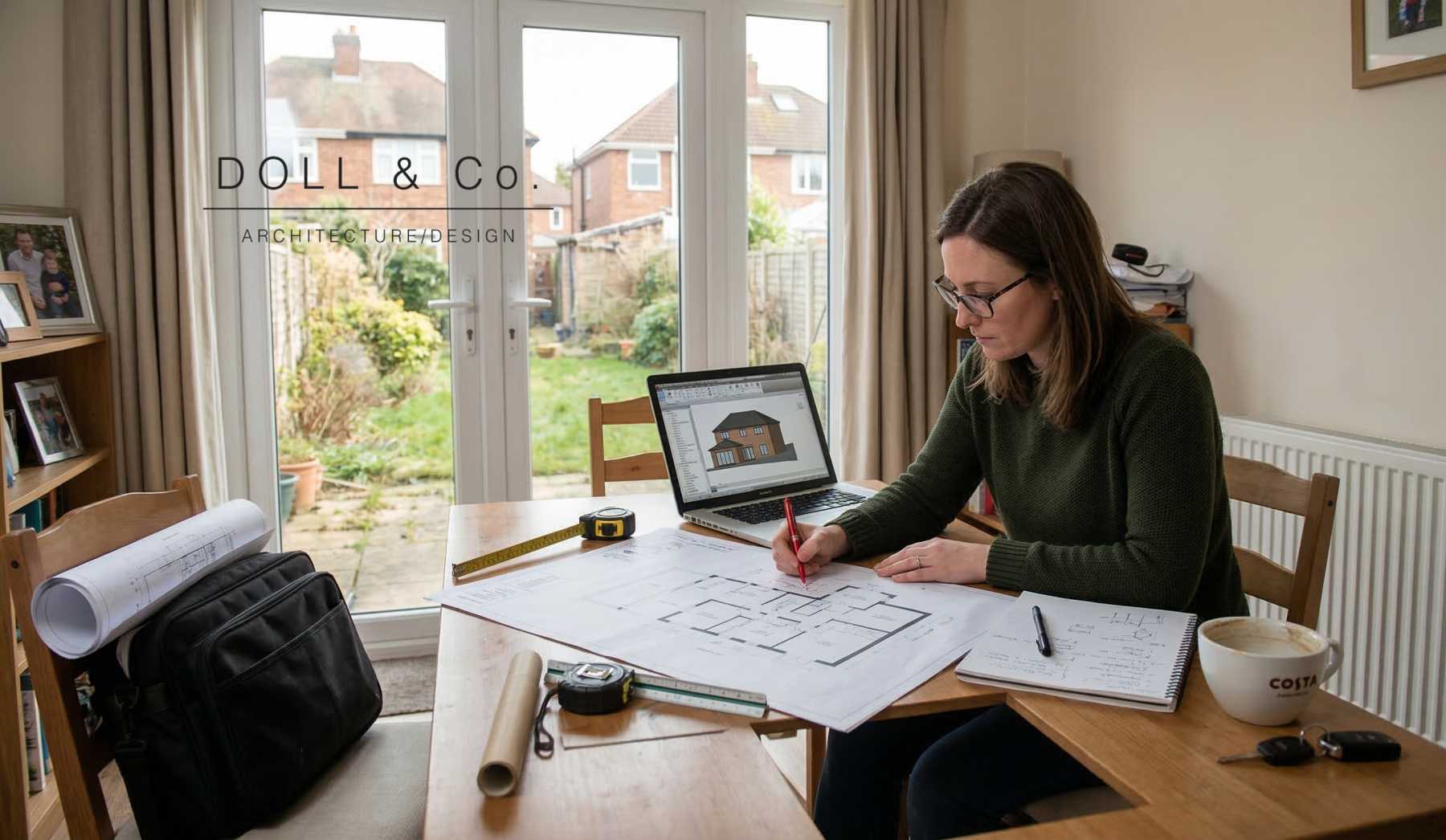
The simplest way to test this is to ask how the scope will be controlled. Ask to see their process in one page, with clear outputs at each stage, and ask to see a sample architectural drawing set that a contractor could price. A premium scheme is rarely about more drawings. It is about the right drawings, issued at the right time, with the right assumptions documented.
Another useful test is whether you can see repeatable judgement in past projects.
A good buyer’s guide question is also about chemistry. You will spend months making decisions together. The tone should be direct, and the feedback should be honest. A studio that avoids difficult conversations early will usually leave the hard calls to site, when options are expensive and time is limited.
Look for a clear approach to coordination. Who produces the drawings, who checks structure and services integration, and who answers site questions once the contractor is appointed? If those responsibilities are vague, you will feel it later. If they are clear, the build feels calmer.
Finally, ask how the practice handles variations. Every scheme encounters surprises once you open floors or expose older fabric. The difference is whether surprises are treated as a managed adjustment or a crisis. The right answer is a decision trail, agreed in writing, with options, implications, and a clear recommendation.
If you still see consistent judgement, it is a sign you are dealing with craft rather than a revolving set of styles.
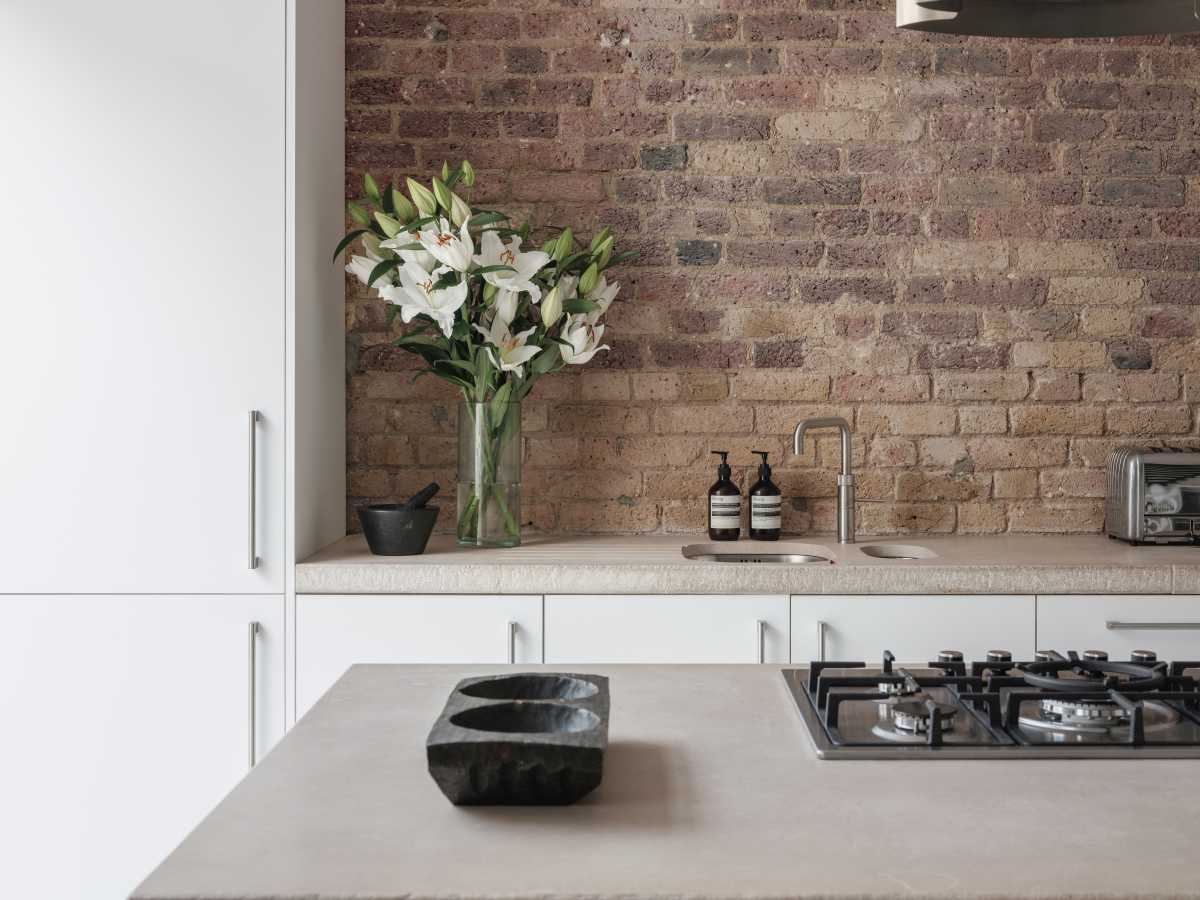
Home Types and the Details That Matter
London contains a concentration of homes that reward restraint. The list is familiar: stucco-fronted Victorian townhouses, Georgian terraces, Edwardian mansion blocks, mews houses, detached villas, garden square residences, lateral flats, penthouses, and period conversions. Each structure changes the technical decisions, and each affects planning.
A townhouse often means complex circulation and services over multiple floors. A mews house often means tight access, awkward stair geometry, and a programme shaped by deliveries. A mansion block introduces shared risers and acoustic expectations that influence every bathroom and kitchen decision. A modern purpose-built development can be structurally straightforward, but the building rules, lift bookings, and working hours can be strict.
The premium difference is in the details. Across many projects we see the same features requested: decorative plasterwork and cornicing, original stone fireplaces, large sash windows, wrought-iron balconies, integrated shutters, parquet floors, polished stone, bespoke library units, and discreet smart home integration. The way those features are composed is disciplined. It is also practical, because it affects cleaning, maintenance, glare, and acoustics.
One small example. Parquet looks effortless when the datum is agreed early. If it is not, thresholds become inconsistent, and door lines start to fight the flooring. That is a minor drawing decision that produces a major visual outcome.
A second example is glazing. Floor-to-ceiling windows can be magnificent, but comfort depends on how glare, privacy, and ventilation are handled. In a terraced setting, you also have to consider what neighbours see. Those decisions are not decoration. They are architectural decisions, and they are part of residential design.
A third example is joinery. Built-in library walls and media units are often requested, but they only feel bespoke when the proportions align with window heads, skirtings, and ceiling lines. This is where technical coordination matters more than taste. We set out datum lines, then hold them across rooms, so the finished rooms feel deliberate.
If your brief includes a mansard conversion with skylights, the early question is headroom and stair position. If your brief includes a subterranean basement level for a gym or cinema room, the early question is waterproofing strategy and ventilation. Both are achievable, but both demand decisions early. Done properly, the additions disappear into the whole, and the home feels as though it has always worked that way.
Residential Architecture London and Approvals
Residential architecture london is shaped by approvals long before the first tile is ordered. In London, planning is a design stage, not a hurdle at the end. Planning decisions set what you can build, what you must justify, and how the scheme must respond to context. Planning also sets timing.
We specialise in residential architecture, and we will treat planning as part of the early design work. We will define the planning narrative, test massing and privacy, and align the drawings with the justification so there is one coherent submission. When planning conditions are applied, we will track them and sequence discharge submissions so the project does not stall.
Planning is rarely the only route. Party wall procedures, managing agent approvals, and building control requirements can sit alongside planning. The key is alignment. When these routes are coordinated, you avoid late conflict between what planning expects and what the contractor is preparing to build.
If you are at an early stage, a short pre-application conversation can be useful. It lets you test the planning story without committing to a full package, and it reduces the chance of redesign after submission. The key is to keep the narrative simple: what improves the building, what protects neighbours, and why the proposal fits the street.
We also recommend that you treat planning drawings as part of the future build package. When planning and technical information drift apart, the contractor ends up pricing a moving target. Keeping them aligned protects time and reduces rework.
A note on consent. Consent is not simply an approval letter. It is also the set of conditions and obligations that shape what happens next. When approval is managed properly, the project runs as one story rather than a series of renegotiations.
You should also expect one clear point of contact with the council. That is not about limiting information. It is about keeping questions and responses structured, so the programme remains predictable.
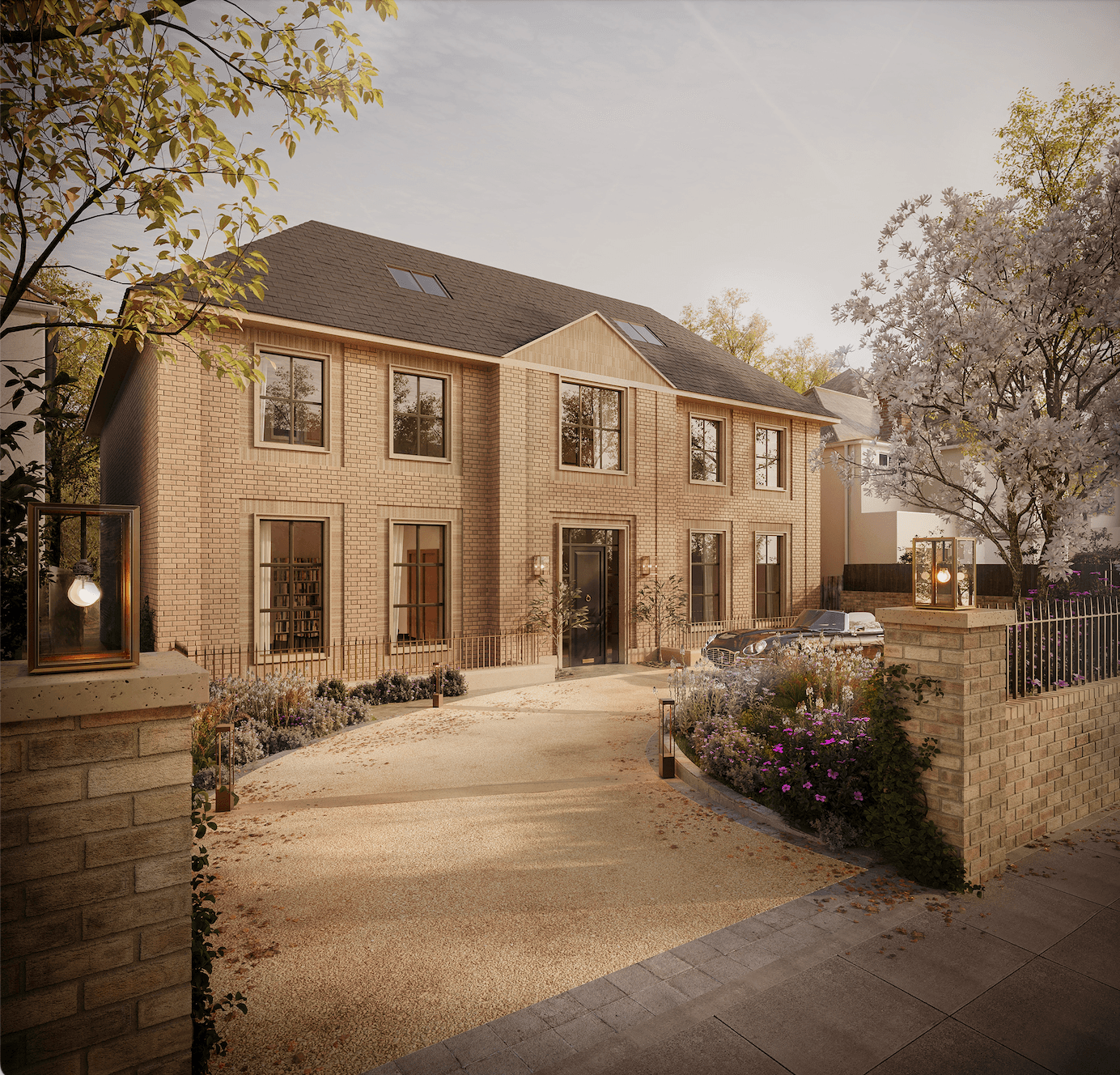
Heritage matters in this city. In conservation settings, planning will focus on proportion, facade rhythm, window lines, and roof forms. The best outcome is the quiet one, where new work reads as inevitable. That is where design judgement protects character without freezing the home in time.
London Residential Architecture and Deliverability
London residential architecture has a simple test, can it be built cleanly? The most refined concept fails if the site plan is optimistic. Access, storage, waste, and protection are not afterthoughts. They are part of the design.
This is where building becomes practical. Building sequencing affects safety, weather-tightness, and neighbour comfort. Building control inspections must be planned into the timetable. Building regulations influence fire protection, structure, ventilation, and stair geometry. If the technical package ignores those realities, you end up redesigning mid-build.
We will make deliverability explicit. That includes a method for keeping the home safe if you live in during the build, and a method for keeping shared areas protected in a managed block. It also includes aligning lead times to programme, glazing, stone, specialist joinery, and mechanical kit all move at different speeds.
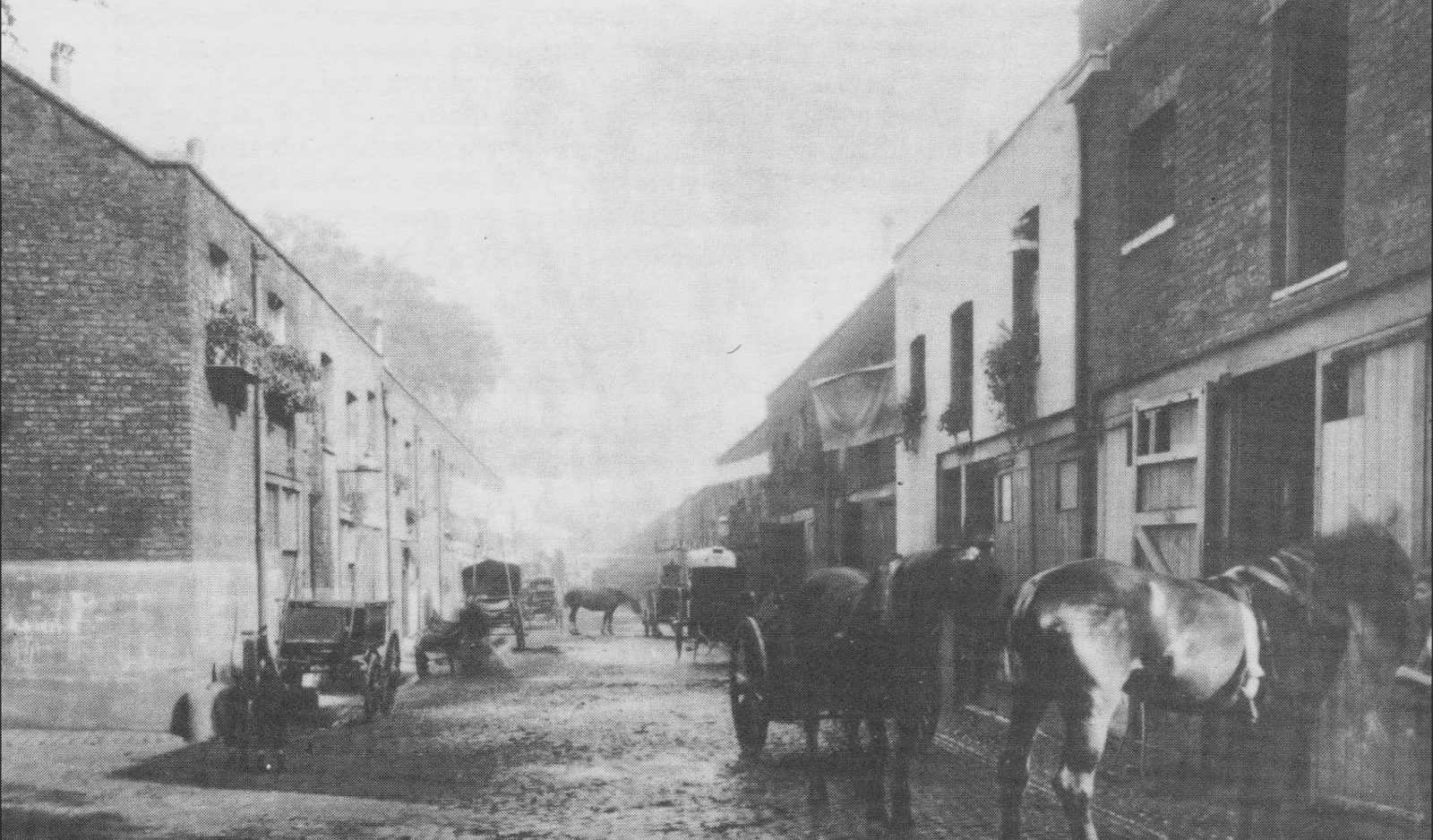
On tight streets, delivery discipline is a design decision. If materials cannot be stored, the programme has to be arranged around just-in-time deliveries. If the only route through is a narrow hallway, protection has to be robust and consistent. If the home has children or pets, safe separation is not negotiable. These points sound obvious, but they are the things that determine whether the build feels bearable.
We also plan for noise. The loudest phases are usually structural openings, demolition, and first fix services. We group those phases, communicate them clearly, and keep them short. That is a courtesy to neighbours, and it is also the quickest way to keep momentum.
A refined scheme also depends on repeatable details. If every junction is unique, it is harder to build consistently. If the details are repeatable, quality rises and the site becomes calmer. This is one of the simplest levers you have.
A Residential Project and Our Delivery Sequence
A residential project is calmer when the stages are defined. Our process runs in clear phases. We start with survey and feasibility, then concept and planning submission, then technical design and tender, then construction support and close-out. Each stage produces information the next stage relies on.
At survey stage, we confirm what is actually there, not what you hope is there. Levels, existing structure, drainage routes, and historic alterations matter. At concept stage, we test options against daylight, circulation, and the practical needs of the household. At submission stage, we keep the drawings and narrative aligned, so the scheme reads as one coherent proposal. At technical stage, we coordinate architectural sections and details so the contractor can price accurately and order long-lead elements with confidence.
During construction, we support the contractor with prompt answers and clear decisions. The aim is not to micromanage. The aim is to keep quality consistent and prevent site questions becoming expensive change. At close-out, we take snagging seriously, because the last ten per cent is where premium work is either protected or diluted.
Here is the buyer’s checklist we will use at the start of a project:
Survey and existing-condition checks
Brief priorities and a decision schedule
Planning strategy, pre-application where required, and submission timetable
Coordinated technical package for pricing and procurement
Tender comparison and contractor appointment
Site plan for access, protection, deliveries, and waste
Close-out plan with snagging and maintenance information
This is where the team matters. The team will run a weekly rhythm, record decisions, and keep the site disciplined. The team will also keep responsibility lines clear, so the client is not pulled into daily firefighting. On our side, the team will answer queries quickly and document changes so the scheme does not drift. The team will also protect the architectural intent when trades overlap and time pressures rise.
We also keep the lived experience in view. If you remain in the home, we will define clean and dirty zones, maintain safe circulation, and compress the noisiest work into the shortest practical window. That is not glamour, but it is how a project feels controlled.
Across our projects, the same pattern appears. The scheme that looks effortless at handover is the scheme that had disciplined decisions early. The projects that feel stressful are usually the ones where planning questions are left late, or where the contractor is pricing from incomplete information.
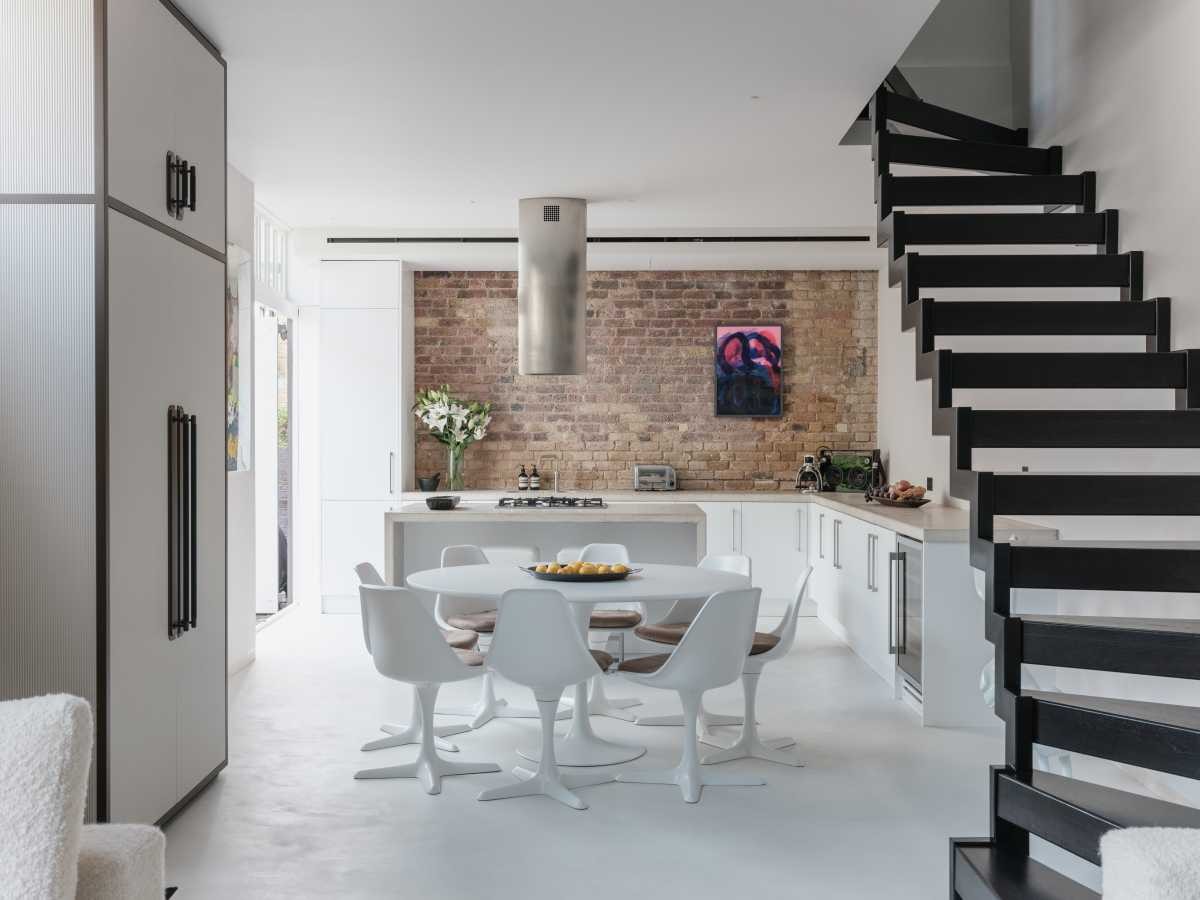
Choosing Residential Architects for Technical and Interior Decisions
You need architects residential experience that spans heritage judgement and modern comfort. That means the package must be coherent, but the interior decisions must also be resolved early enough to be built properly.
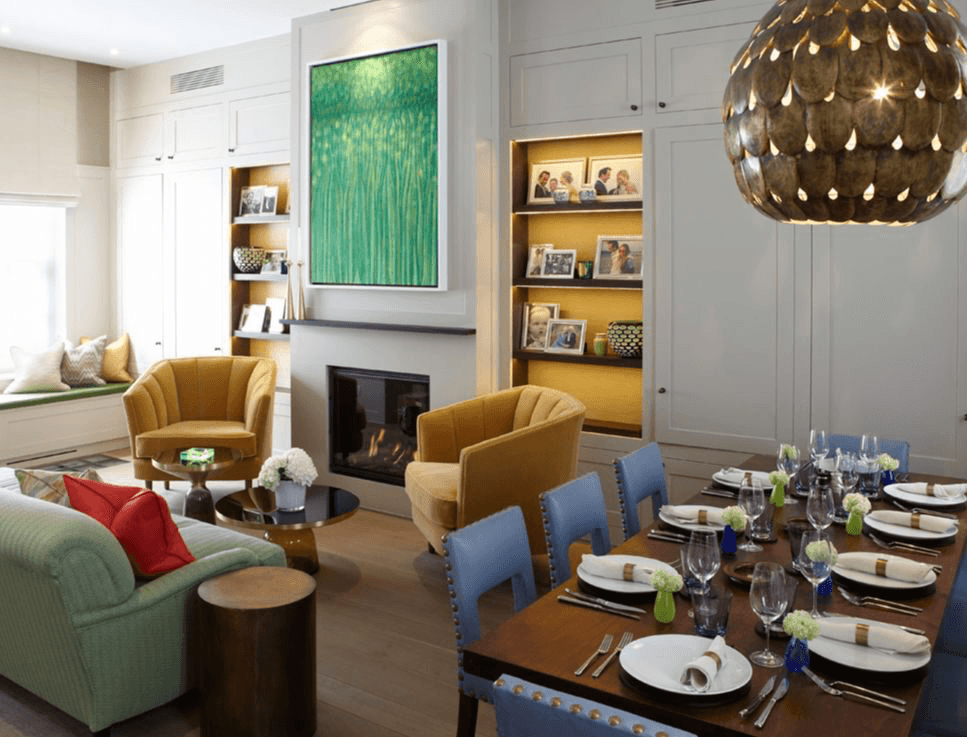
Interior design is where many premium schemes either settle or unravel. We integrate interior design with the technical drawings so the contractor is not improvising. Kitchen ventilation routes, bathroom falls, joinery grids, and lighting layers are resolved early. The interior atmosphere should feel effortless because the technical coordination is invisible.
The word interiors is often used as shorthand for styling. We treat interiors as function, storage, acoustic comfort, and service access. That approach supports a calm home long after the builders leave.
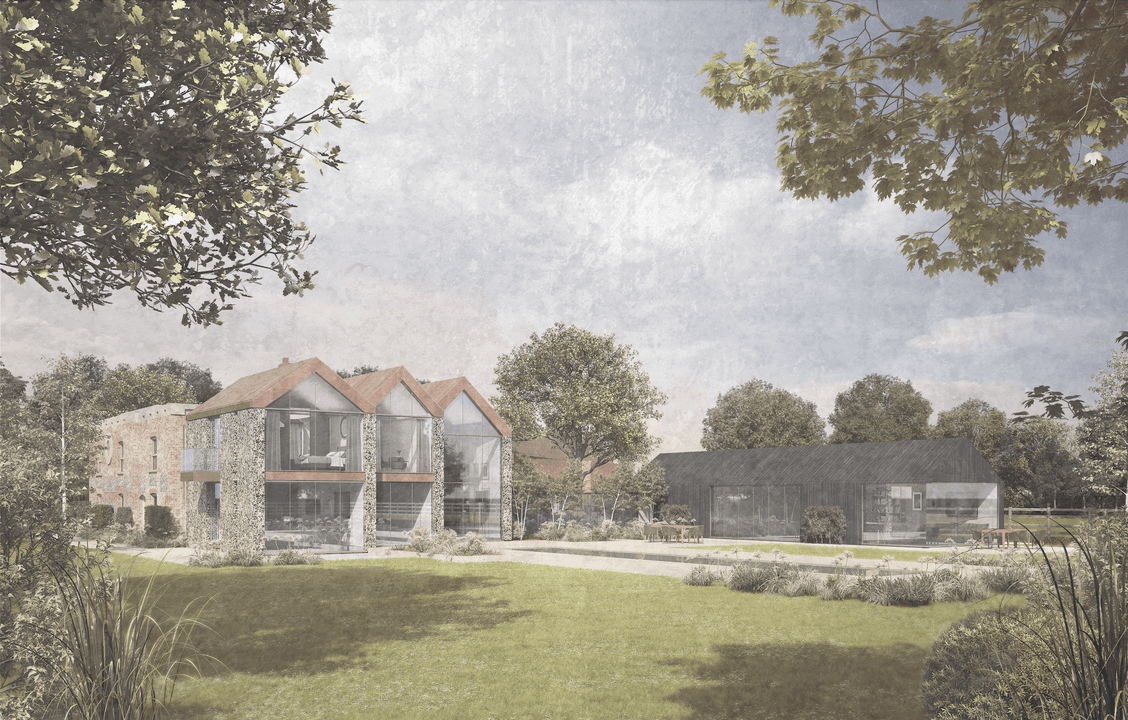
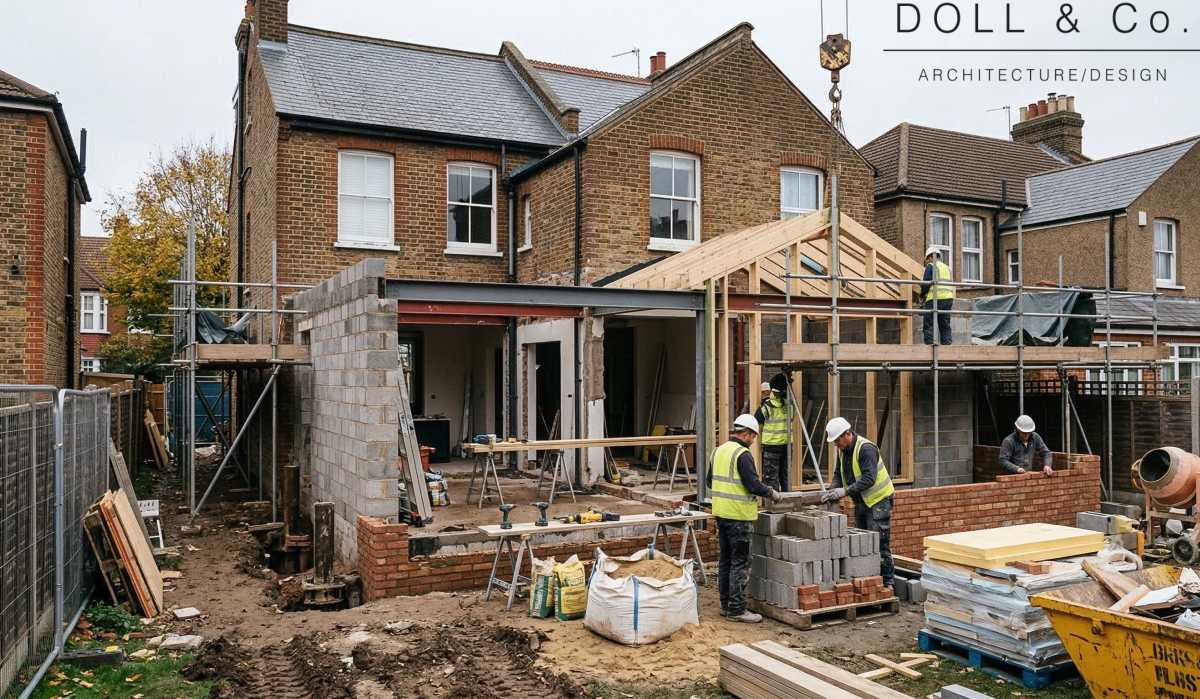
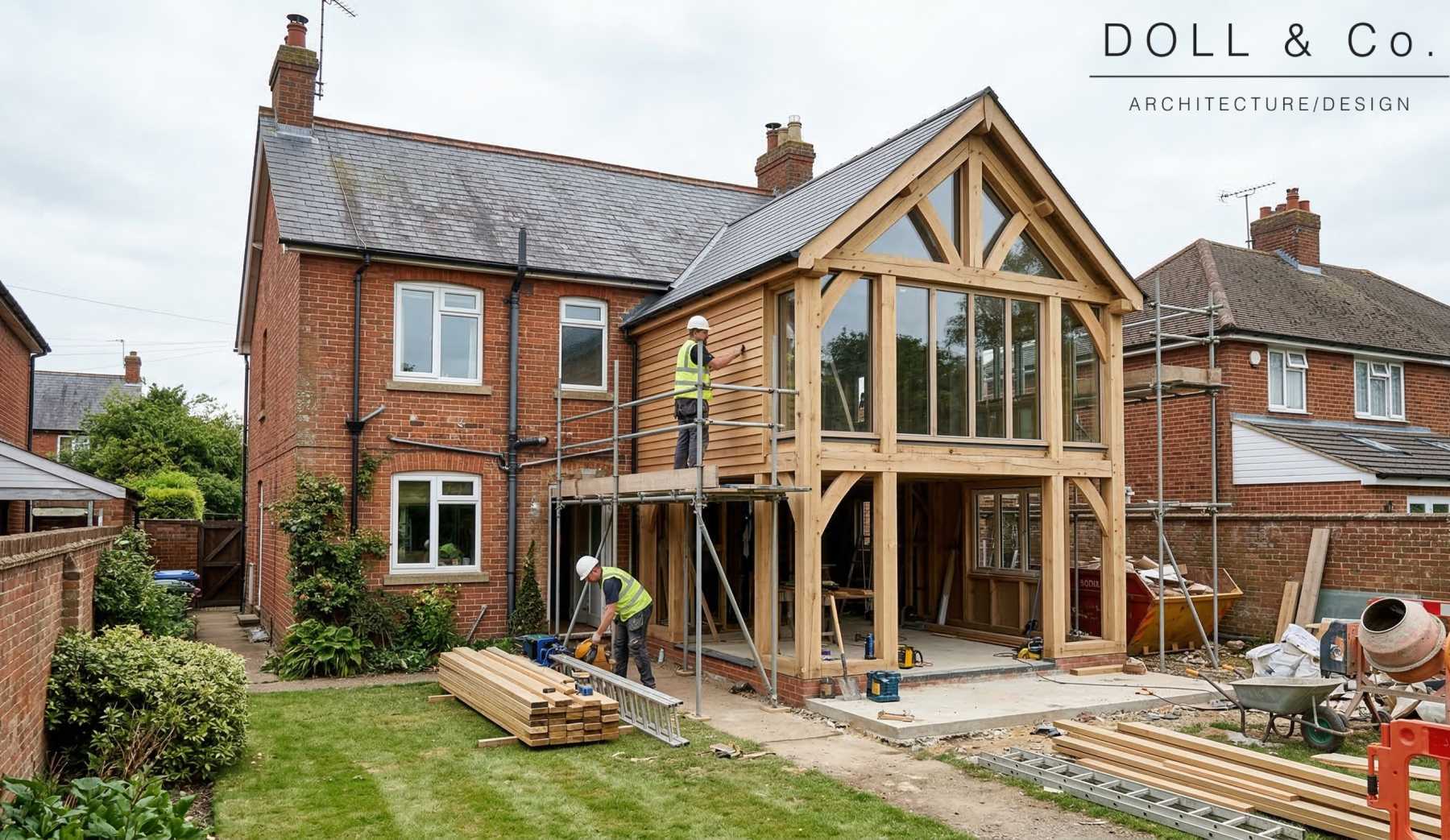
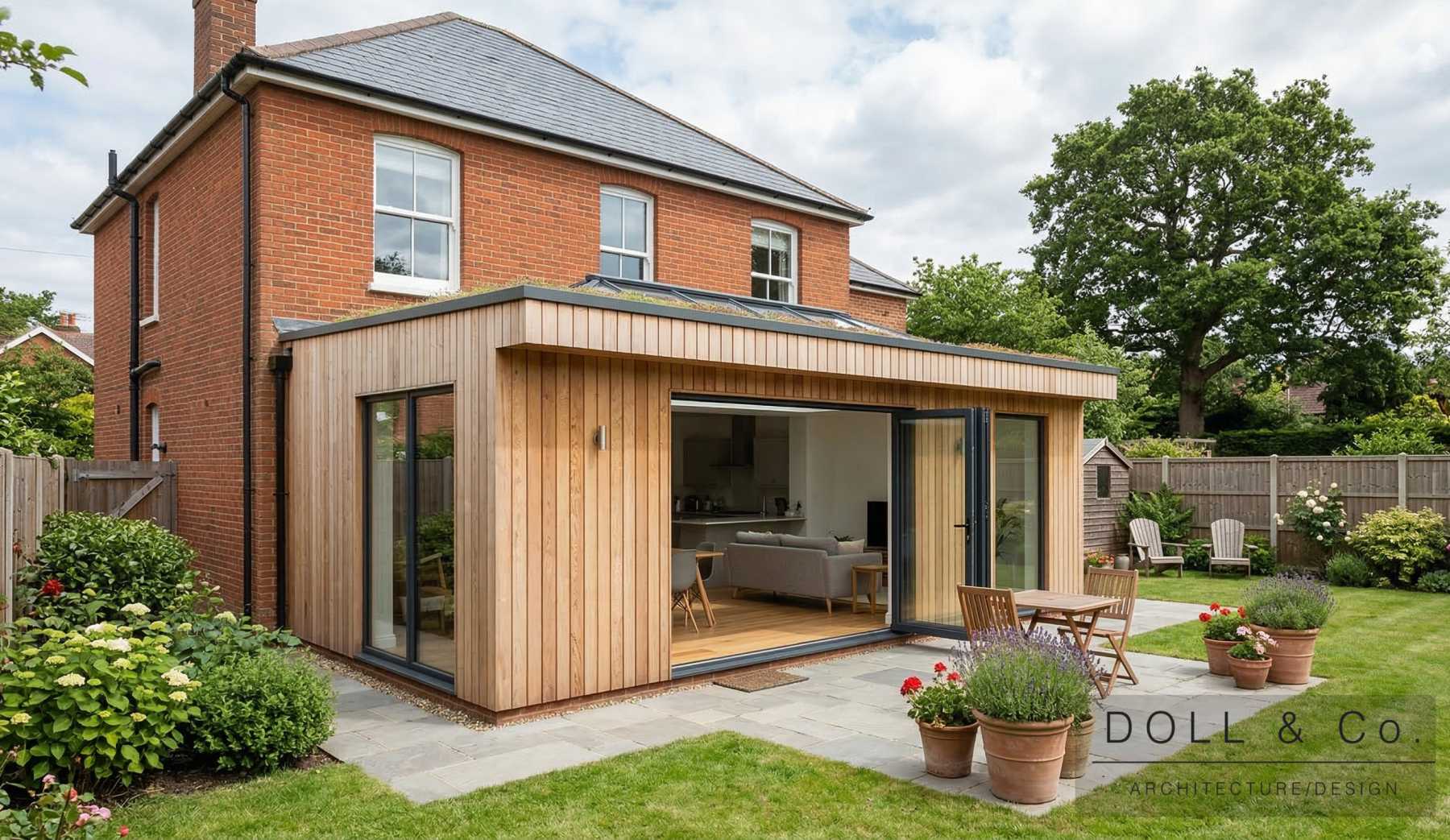
If your scheme includes an addition, architects extension judgement becomes critical early, and our extension architects will align structure, waterproofing, and sequencing so the home stays weather-tight and safe. This is where the detailing must be repeatable, so new and old sit together without fuss.
A final detail that clients notice. Lighting is not just fittings. It is position, beam, dimming, and how it meets plaster lines and joinery. When lighting is coordinated, a room feels composed at night as well as in daylight.
A practical point on bathrooms. Wet rooms only feel effortless when falls, junctions, and ventilation are resolved early. The same applies to kitchens. A beautiful kitchen is undermined by noisy extract runs or awkward duct routes. These are technical issues, but they shape comfort in daily life.
We also look at acoustic separation, particularly in mansion blocks and conversions. A bedroom that shares structure with a neighbour needs thoughtful detailing, and it needs the contractor to follow the specification closely. This is where technical decisions protect sleep, which is a more valuable luxury than any material choice.
Where the brief includes integrated shutters, we align window reveals and joinery so the installation looks built-in. Where the brief includes smart controls, we keep control points discreet and logical, so the home stays visually quiet.
Fees and How Scope Stays Under Control
Most clients ask about cost once. The sensible answer is that cost follows scope and clarity. If you want a predictable number, you need a coherent brief, a disciplined planning route, and tender information that leaves little room for guesswork.
Scope control is not about saying no. It is about documenting decisions so they do not slip. When clients ask why premium projects sometimes spiral, it is usually because scope moved after tender, or because planning constraints were not understood early enough.
We also take a careful view of private time. You should not have to supervise the contractor daily to achieve a premium finish. Our role is to keep the decision trail organised and keep site questions moving, so you can stay focused on your life.
Frequently Asked Questions
What Should I Prepare for the First Call?
Bring your brief, any existing drawings, and any rules if you are in a managed block. We will confirm feasibility, outline the planning route, and set the next steps.
How Do You Keep the Programme Predictable?
We will keep the scope stable, track planning submissions, and record decisions during construction so the project stays controlled.
Do You Take on Basements and Roof Conversions?
Yes. We will coordinate structural design, waterproofing, and inspection points so the building remains safe and dry.
How Do You Keep Neighbours on Side?
We will agree working hours, communication routes, and protection measures early, then keep the site tidy throughout.
What Makes the Finish Feel Premium?
A tight palette, repeatable architectural details, and interior decisions resolved early so the build does not drift.
Author

Ian Dollamore
DOLL & Co.
Ian is a leading architect and designer with extensive experience across the luxury real estate sector.
Date
Share article