Journal
Interior Design Studio London Buyers Guide For Long-Term Comfort
Interior Design Studio London Buyers Guide For Long-Term Comfort
Written From The Operations Desk At DOLL & Co.
Table Of Contents
How To Shortlist With Confidence
What A Premium Brief Looks Like
What The Design Package Should Include
How Site Decisions Stay Calm
How Finishes Age In Real Life
Fees, Scope, And The One Thing To Avoid
Frequently Asked Questions
Choosing The Right Design Studio
If you are searching for a studio for interior design in the capital, you are not buying a look. You are buying judgement, sequencing, and detail control that will survive the messy middle of construction. The real test is whether the scheme stays coherent when floors are opened and decisions are needed at speed.
A strong practice will translate what you want into something buildable. That means a clear brief, a steady programme, and a decision trail that stops a refined concept becoming a series of hurried compromises. This is where the team matters. A calm project is rarely luck, it is a team that knows what to lock down, and when. It is also a team that will tell you when an idea is fragile on site and propose a durable alternative.
You will also get better outcomes when you understand what you are appointing. Some studios focus on furnishings and styling. Others take responsibility for the technical side, coordination, set-out, and the information that keeps trades aligned.
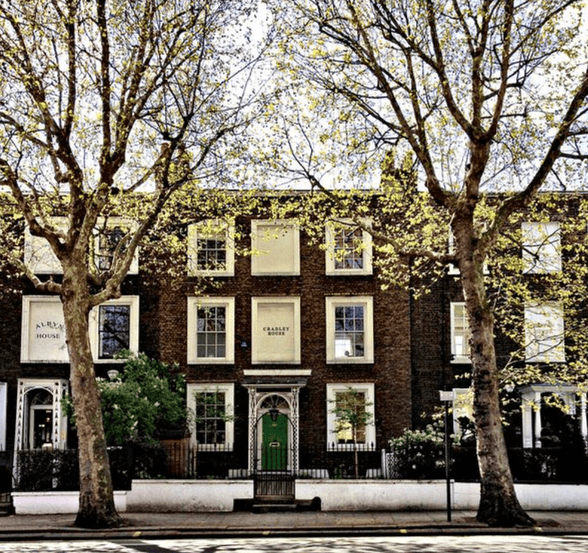
Properties in the United Kingdom can be charmingly inconsistent, and many have been modified over decades. A Georgian terrace may carry ornate cornicing and stone fireplaces that need protection and careful alignment. A mews conversion may have tight access and stair geometry that dictates the plan. An Edwardian mansion block will often have building rules around working hours, lift bookings, and waste removal. The right practice will build these realities into the plan from day one.
For a quick sense of how we work, start at DOLL & Co and read the practice background on About. If you want to talk through a brief, use Contact.
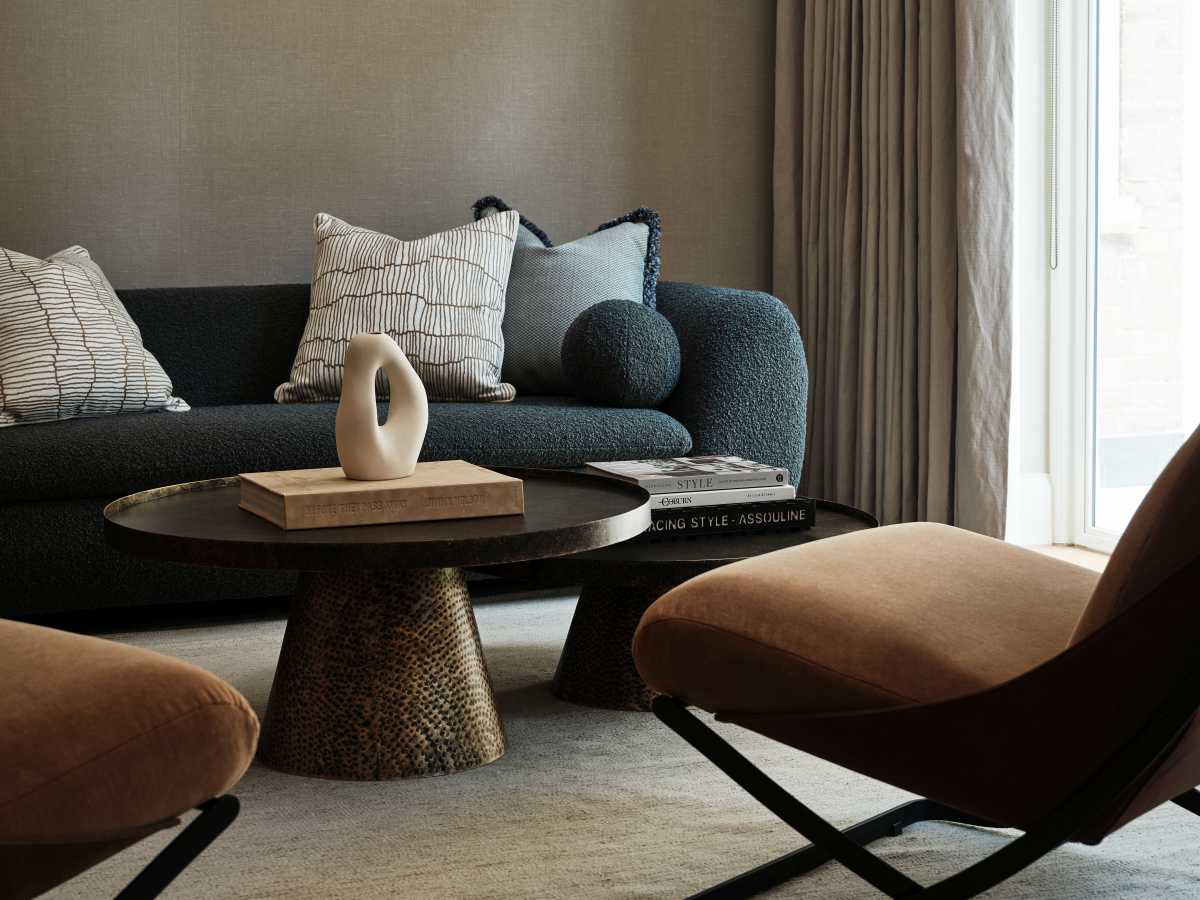
The Buyer’s Checklist That Cuts Through Noise
Use this checklist when you compare interior design studios. It is a practical way to judge whether the process will remain calm once construction starts.
Confirm who owns coordination and approvals
Confirm what you will receive before contractor pricing
Confirm how decisions will be recorded during the build
Confirm lead times and how procurement will be staged
Confirm how snagging and close-out will be handled
Interior Design Priorities That Matter
The best interior design starts with how you live, not with finishes. We begin by mapping the main rooms, circulation, and where daily clutter wants to land. Then we shape the plan so it feels inevitable and easy to run. If your brief includes a formal drawing room, we will protect the proportion and sightlines. If your brief is open-plan, we will still create zones so the room does not feel like a corridor with furniture pushed to the edges.
In higher-value addresses, the existing details are already strong. Double-height reception rooms, sash windows, wrought-iron balconies, and period plasterwork do not need noise. They need restraint and thoughtful integration. Where clients bring luxury interior design London references, we treat that as a question of proportion and craft, not overstatement.
Interior design also has to behave in real conditions. Large glazing needs a plan for glare and privacy. Parquet needs set-out so thresholds read cleanly. Bathrooms need proper falls, ventilation, and lighting that flatters without harshness. These choices are functional, and they influence comfort every day. A well judged specification also reduces call-backs later, because materials are selected for wear, not just for first impressions, and samples are reviewed in real light.
On newer developments, the brief often shifts. You might have open-plan tenure-blind layouts, wide spans, and integrated technology. The same interior design principles apply, define the rhythm, control junctions, and keep the palette coherent. Our London studio will also check what the building allows, including where services can run and what changes are permitted in communal areas, which prevents rework later.
We talk about space in practical terms. Where does the family gather, and how does sound travel. Where do coats and bags land, and does the route feel calm. Two good space decisions can change how a home feels, and they cost far less than reworking a finished room.
Style Without The Short Shelf Life
Most clients want a scheme that feels current without being a snapshot of one year. The answer is usually fewer materials, chosen well, and a controlled contrast between old and new. That is a lasting approach. It also keeps the interior calm because the eye is not constantly being interrupted by mismatched lines.
What The Design Package Should Include
A premium package is defined by what it removes, ambiguity. You can see how we set out scope and deliverables on Services, which helps you compare like with like. You should expect clear layouts, elevations where needed, and a specification that tells contractors what you mean, not what they want to assume.
A good package will also show the junctions that make or break a refined finish. Thresholds where parquet meets stone, the way skirting meets architrave, and how cabinetry aligns with window heads. If the home has decorative plasterwork, you will want a clear strategy for how new lighting and ventilation are integrated without damaging the cornice line.
There is also a procurement rhythm to respect. Stone, specialist glazing, and bespoke joinery tend to set the pace. A disciplined studio will build a decision schedule around those lead times so the contractor can order early and keep the programme credible.
You should also expect a clear approach to interiors documentation. A joinery schedule that states finishes and hardware. A lighting intent that explains the layers and the dimming approach. A bathroom set-out that is coordinated so tile lines, niches, and fittings align. When these elements are coordinated, the interiors read as deliberate rather than assembled.
Finally, the package should acknowledge access and protection. In tight streets, deliveries need forethought and waste needs a route. In mansion blocks, lift bookings and protection to communal corridors are not optional. A good studio will include these realities in the programme timetable.
Working With An Interior Designer
A good interior designer will lead the brief back to function. The goal is not to fill every wall, it is to create a consistent language. For private homes, that usually means disciplined joinery, lighting layers, and a calm material palette. It also means making the house work for the way you live, rather than forcing you to live around the furniture.
When people search for designers, they often assume the role is purely aesthetic. In practice, interior design is also about technical choices, ventilation routes, acoustic comfort, and maintenance. If you are renovating a period property, they should be comfortable protecting cornices, repairing shutters, and integrating modern services without damaging the character. That is what keeps the scheme coherent through the disruptive stages.
It is also worth understanding how the studio works alongside the building structure. These decisions set ceiling heights, structure, and openings. Interior design then makes the rooms feel coherent and finished. When the two are aligned, the result feels effortless. When they are not aligned, you get awkward bulkheads and inconsistent junctions. If you want the phrase that describes this clearly, it is architect residential design, the intent is carried from structure through to the lived experience.
For a reference of proportion and set-out on a constrained site, look at Ensor Mews. It is a useful example of how a premium scheme stays disciplined from layout through to delivery.
How Site Decisions Stay Calm
The site stage is where a beautiful plan is either protected or diluted. The most reliable way to keep it calm is to define responsibility and keep decisions recorded. When the contractor asks a question, the response should be documented and referenced back to the drawings. That prevents the same detail being interpreted differently by different trades.
This is also where communication matters. A short weekly rhythm, a clear list of decisions, and a simple tracker for open items will keep the project moving. If you are living in the property during the work, the team will also separate clean and dirty zones and keep access safe at the end of each day.
Most projects go through the same pressure points. Enabling works and strip-out reveal surprises. First fix services introduce coordination questions. Second fix is where joinery tolerances and tile setting-out either align or fight. A calm process keeps these stages predictable.
A practical note on neighbour relations. Many buildings here are close enough that noise carries. Grouping the noisiest work into the shortest practical window makes a real difference. It also preserves goodwill, which becomes valuable when access is shared or when scaffolding needs an extension.
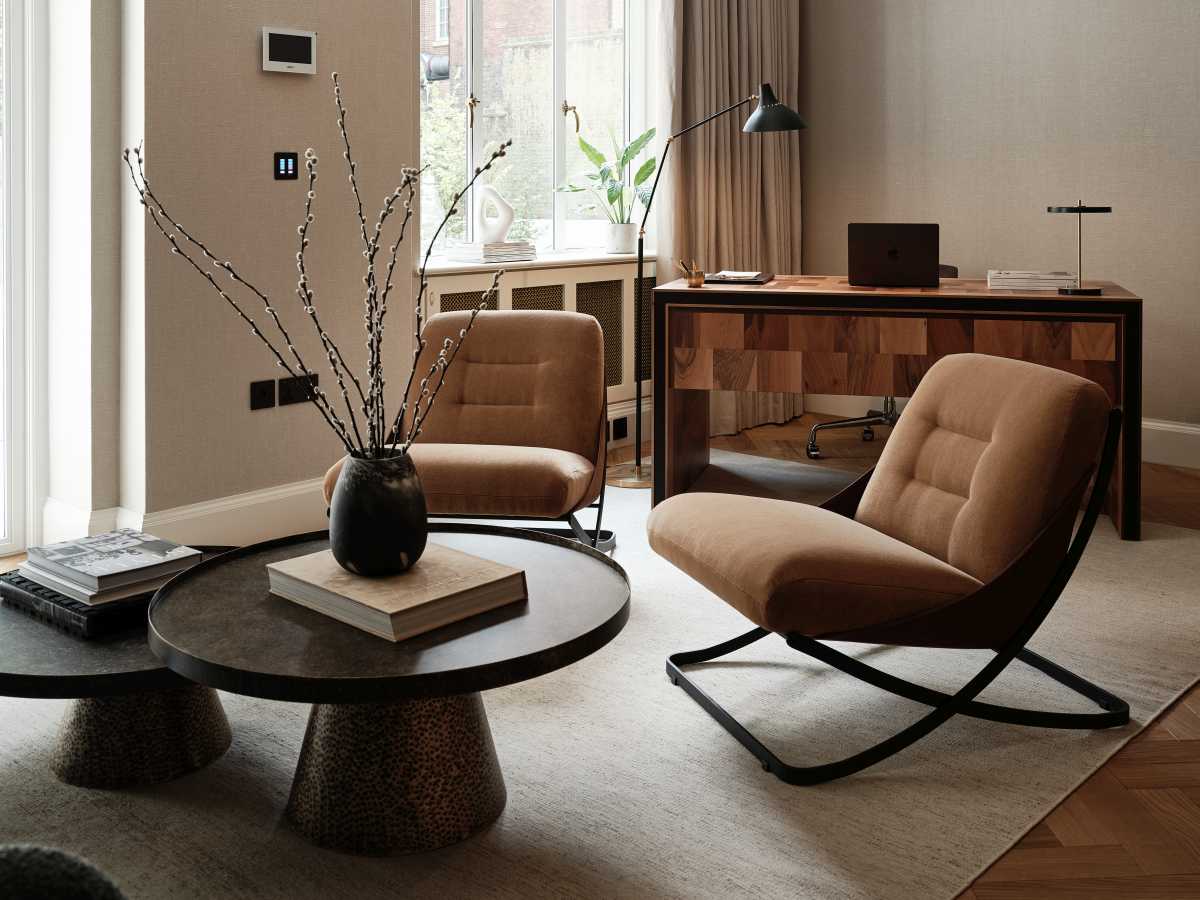
How Finishes Age In Real Life
A refined finish is defined by what you do not notice. Door gaps that are consistent. Tile lines that meet corners cleanly. Lighting that flatters at night without glare. Hardware that feels good in the hand. These are the cues that separate a premium interior from an expensive one.
The most common failure in high-end projects is late change. A new tile choice that forces a different build-up. A new lighting plan that breaks the ceiling rhythm. A last-minute joinery adjustment that compromises storage. This is why we set a decision schedule and stick to it.
We also look at residential interior comfort. Bedrooms should be quiet. Bathrooms should be warm and well ventilated. Joinery should be robust. A refined interior is one that works on a wet Tuesday, not just on the day the photographer arrives.
There is also the question of interiors behind historic facades. Many homes carry Italianate stucco, Queen Anne revival detailing, or the quieter lines of a garden square. Others are more direct, Brutalist concrete, Post-Modernist layers, or Contemporary Minimalist fit-outs behind older shells. The right interiors approach is to respect the language, then introduce comfort with restraint.
This is where interior architecture matters. Interior architecture is not styling. It is the logic of how the rooms are assembled, where services go, how junctions are detailed, and how the installation stays crisp. It is also how you avoid future maintenance headaches.
We will also be clear about commercial interior edges where a property sits above retail, or shares plant and risers with non-residential uses. That reality affects access, noise, and security, and it needs to be designed into the scheme.
House Types And Layout Realities
One house can hide three different eras of building work. That matters for sequencing and expectation setting. Across the city you will commonly see townhouses split into flats, lateral apartments within mansion blocks, and modern developments with strict rules on work hours. A renovation in a mews property often needs a tighter logistics plan than a larger villa, because access is the constraint.
We work across residential types, from garden square residences to conversions and penthouses, and the same principles apply. Get the brief clear, keep the drawings buildable, and protect the decision trail. Good work is not loud, it is consistent.
The project will move faster when you avoid bespoke details for the sake of it. Repeatable details are easier to build consistently, and consistency is what makes a scheme feel calm. This is one of the simplest ways to protect quality. It also helps when the spaces are tight, because consistent datums make rooms feel larger and more ordered. In tighter layouts, well-planned storage keeps spaces calm.
Fees, Scope, And The One Thing To Avoid
The cost conversation should be honest and early. A premium service is clear about what is included, what is not, and what decisions are needed to keep progress steady. If scope is vague, projects drift, and drift becomes expensive. In our experience, the client who gets the best result is the one who makes fewer, earlier choices and then lets the process run.
The one thing to avoid is appointing on style alone. You want technical clarity, not just imagery. Ask for examples of how the studio documents kitchens, bathrooms, and joinery. Those details are where quality is protected, and where disputes usually appear if information is thin.
A final practical note. Use planning once, early, to test your route and avoid redesign later. After that, keep the brief steady, and let the project move forward.
Frequently Asked Questions
How To Find Top Interior Designers In London?
Start with recent work that shows detailed drawings and a coherent finish. Ask who owns coordination during construction, and how decisions are recorded.
What Is The 3-5-7 Rule In Interior Design?
It is a guideline some designers use to balance repetition and contrast in a scheme. In practice, choose a small number of materials and repeat them consistently.
What Does An Interior Design Studio Do?
It defines the brief, develops the layout, coordinates finishes and joinery, and supports the project through procurement and site decisions.
Author

Ian Dollamore
DOLL & Co.
Ian is a leading architect and designer with extensive experience across the luxury real estate sector.
Date
Share article