Journal
Timber Framed Extensions: Extension Guide to Timber Frame Construction
Timber Framed Extensions: Extension Guide to Timber Frame Construction
Written from the operations desk, this is the version I give clients when they want straight answers on programme, access, and buildability in London and the Home Counties.
Table of Contents
Basics and Where It Suits
Historic Timber Context
Systems and Build Method
Options for Tight Rear Plots
Decisions That Protect the Programme
Thermal Performance
On Site Sequencing
Costs and Risk
FAQ
Timber Frame Basics for London Homes
Why This Method is Popular on Tight Streets
From our Fitzrovia base on Newman Street, W1T, I’m usually the person chasing delivery slots, checking what can be stored, and making sure the drawings match what turns up on site. In London, the method matters because access is often through a hallway and the street outside is permit-controlled, and we try to keep it quiet and organised. This guide is about timber work that behaves well in real life, not brochure talk.
A timber frame extension can be an effective option when you want to change the layout quickly and keep wet trades down. For many clients it is an impactful way to keep the programme calmer, especially when the rear is open and you are still living at home.
The goal is simple: increase your home's space without turning the place into a permanent building yard. That starts with a clear brief and ends with a sequence that builders can follow without guessing. If your property sits on a narrow terrace or a mews, those small choices decide whether the street stays calm.
A Quick Look at Historic Timber Building in Britain
What Older Buildings Teach Us About Modern Detailing
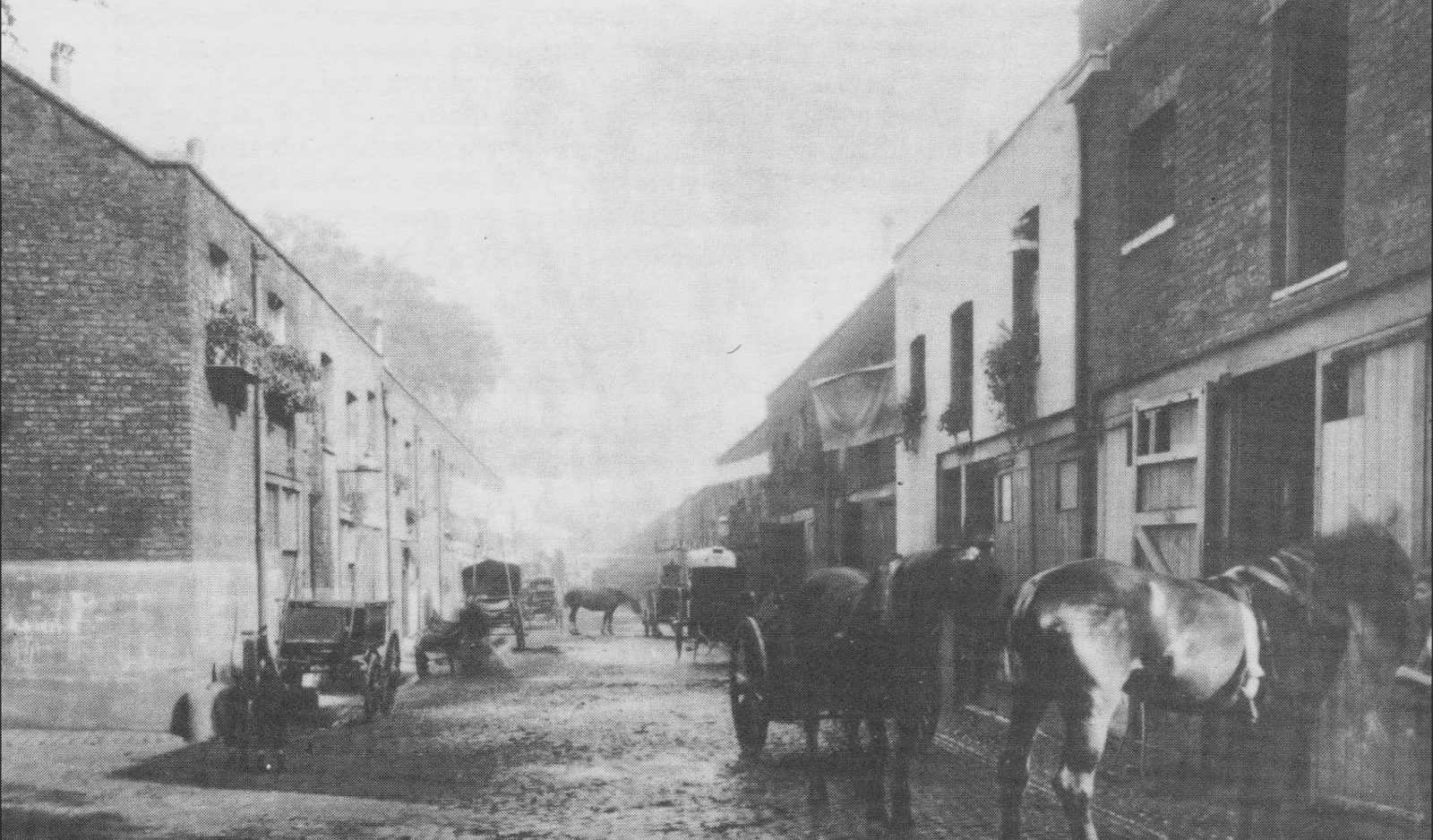
London has a long relationship with timber. Tudor half-timbered houses, Elizabethan timber-framed manors, medieval jettied houses and Jacobean black-and-white buildings all relied on a clear grid. Even the surviving timber-framed townhouses and mews conversions show the same principle: the grid sets the rhythm, and the openings follow it.
That history is useful because it reminds us not to fight the layout. If the structural timber is planned properly, rooms feel balanced, and the trades are not constantly trimming and packing to make things fit.
Frame Construction: CLT, Glulam, and Modern Timber Systems
How We Choose the Right System for the Job
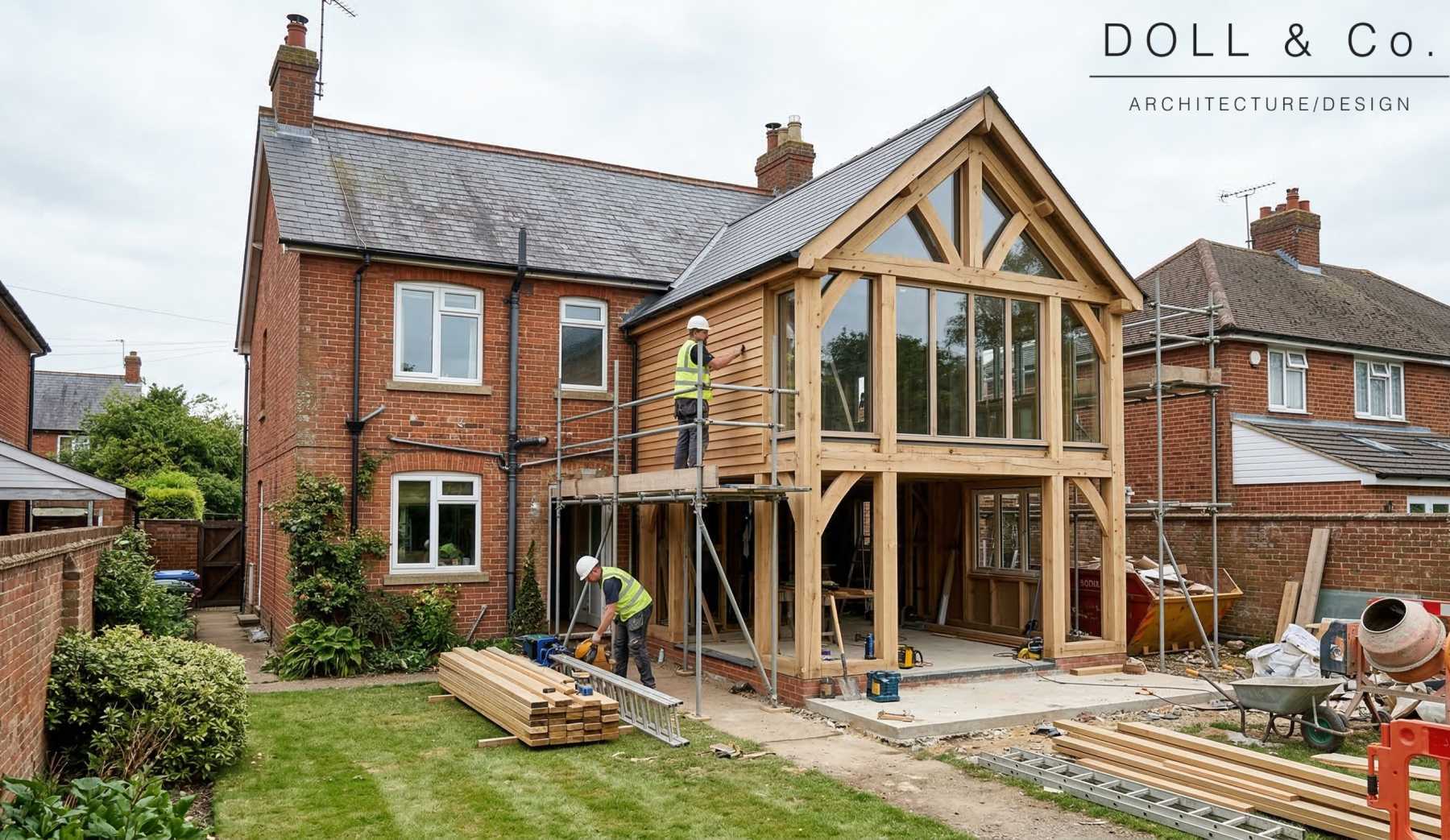
On modern work we have a variety of systems. Open panel timber frame and closed panel packages are common, and we also see CLT, glulam, post-and-beam and SIPs. A pre-manufactured timber frame system provides more predictable tolerances, which helps when deliveries are short and storage is limited.
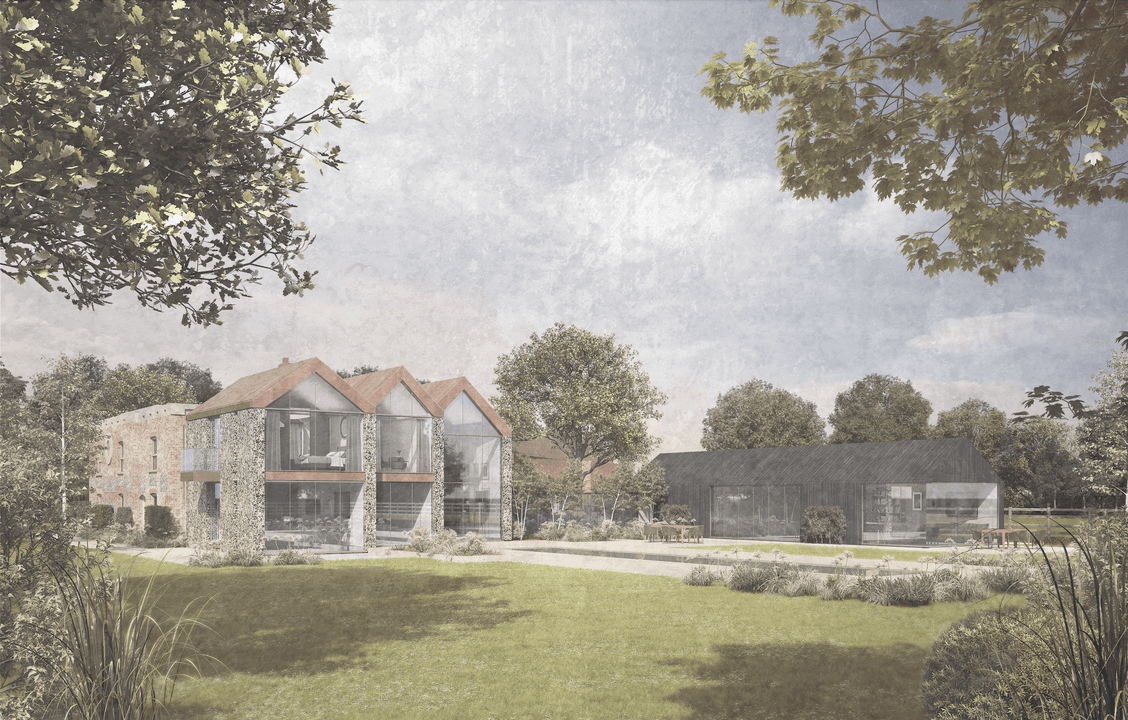
Timber frame panel systems suit rear additions where you need a tidy sequence and quick weathering. In practice we’re usually choosing between factory-made panels, heavier mass timber elements, or a post-and-beam timber frame where you want a visible grid.
System | Where it fits | Operations note |
Open panel timber frame | Rear additions where flexibility helps | Good when set-out is evolving, but watch weather protection before closing panels |
Closed panel (pre-insulated) timber frame | Fast programmes with firm decisions | Great for speed, but panels need accurate set-out and clear openings |
CLT and glulam | Longer spans or a cleaner grid | Heavier elements, so lifts and delivery timing matter |
Post-and-beam | Spaces where you want a visible grid | Detail junctions carefully so it looks intentional |
SIPs | Simple forms with strong performance targets | Plan service routes early, because chasing later is messy |
We treat frame construction as a coordination exercise: the grid, service routes, and openings need to agree early. If you change window sizes late, you pay twice, once in manufacture and again in rework. We also plan how the new package meets existing brickwork, and we check that the fixings and tolerances are buildable, not optimistic. Measure twice, manufacture once is not a slogan, it is how you protect the programme.
On tight London jobs, I look at how the kit arrives and how it can be installed safely. We keep the pavement clear and avoid blocking neighbours.
Before we start, we agree simple quality checks on moisture, fixings and sealing. It keeps the build moving and cuts down snagging.
Timber Extension Options for Tight Rear Plots
When a Light Build Helps With Approvals
For clients looking for extension ideas, I start with what the rear needs to do: dining, family space, storage, or a work zone. A house extension at ground level is often enough, but occasionally a storey extension makes more sense if the plot is tight.
When a second storey is on the table, we check sightlines, neighbour windows and massing in the context of the street. Councils in Westminster and RBKC will want a calm explanation and accurate drawings, particularly in a conservation area.
A timber extension can also help when you are working against an existing wall that is not perfectly straight. You still need accuracy, but you can design tolerances and trims in a controlled way. From the street, the structure should read as calm and proportionate, not like an add-on.
Your Extension: The Decisions That Protect the Programme
Set-out, Sequencing, and Keeping Changes Under Control
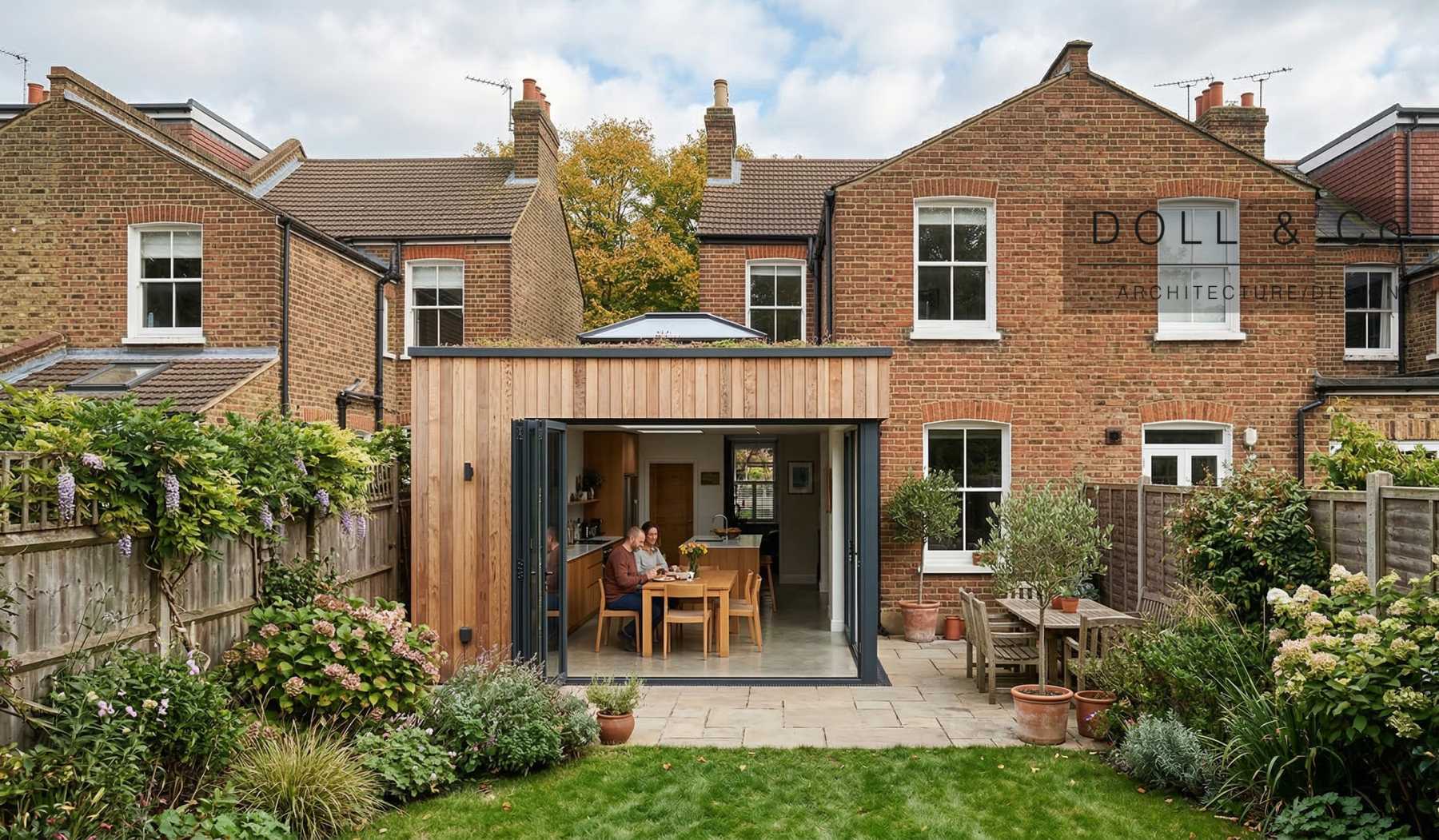
If your extension is on a mews or a narrow terrace, the logistics can drive the design. A timber frame extension can reduce time with an exposed opening, but only if the set-out is nailed down. Your extension should not rely on last-minute fixes. We set responsibilities early, and we keep decisions simple so the kit package is not being redrawn every week. Good extension designs start with access, storage and daylight, then we dress it up.
The other practical piece is how you live during works. If the kitchen sits at the rear, you may need a temporary set-up, or a short decant. That is not glamourous, but it is the difference between a manageable build and a miserable one.
On terraces in Kensington, Chelsea and Marylebone, the neighbour piece is not optional. We plan the party wall process early, line up condition surveys, and set expectations on access and noise.
Sustainable Choices and Thermal Performance
Where Thermal Detailing Really Matters
Thermal comfort is where details decide the outcome. We specify insulation for walls, insulation at the roof junction, and insulation under floors where appropriate. We also check insulation continuity around openings, and we confirm insulation thickness against window reveals. That is six separate checks on insulation alone, and it is why the room feels settled in winter.
If you are aiming for a sustainable approach, start with longevity and sensible maintenance. Timber construction can be very good, but it still needs good moisture control, correct ventilation, and a disciplined finish. The benefits come from doing the basics well, not from trendy labels.
On Site: Sequencing, Access and Neighbours
The Practical Checklist I Use on Busy Jobs
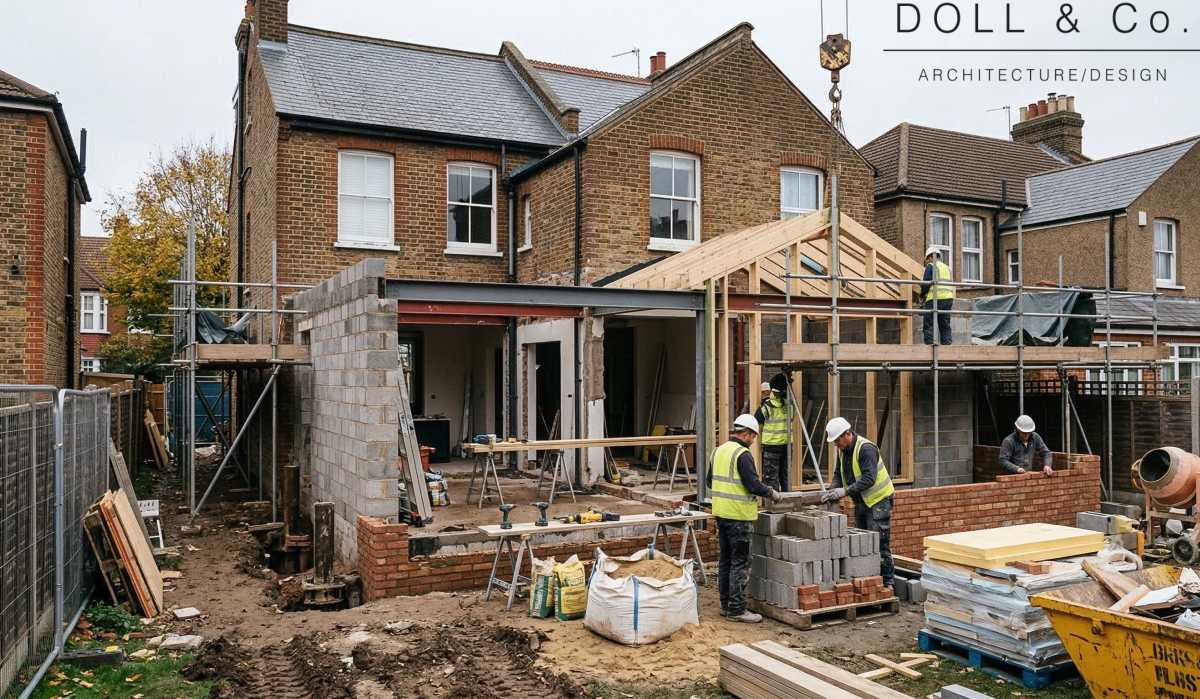
Now for the bit people underestimate: what happens on site. The order matters. Foundations, set-out, frame, weathering, then internals. I watch joists early because they affect openings, and I check joists again when the frame is being installed. That is one of the quickest ways to avoid wonky ceilings and awkward junctions.
Most of our London work is at the rear, so external details matter. We spend time on external junctions and the way new materials meet old brick or render. Get that wrong and it looks patched. Get it right and it feels intentional, and it lasts.
On site, neighbour management is part of the job. We agree working hours, keep the scaffold tidy, and group noisy tasks so they do not drag on.
Confirm measured survey and levels before anything is manufactured
Agree where materials can be stored, and whether a parking suspension is needed
Fix openings and panel layout early to protect lead times
Plan protection routes through the home, especially if access is via the hall
Decide who signs off changes, and keep that line simple
It’s worth saying out loud that timber frame extensions are not a shortcut on quality. Timber frame extensions still need proper foundations, and timber frame extensions still need careful interfaces with existing walls. When timber frame extensions are managed well, you get speed and control.
For completeness, we sometimes talk about timber extensions as a broad category, including cladding-led upgrades and full structural packages. If you are replacing a glazed room, treat it like a proper build, not a quick conservatory swap. Get expert input early, and you can add value without creating a maintenance problem.
Costs, Risk and How We Keep the Numbers Honest
Let’s talk cost. The cost swings with access, finishes and complexity. In central London, parking suspensions, scaffold licences and waste removal can add cost even before the kit arrives. My advice is to do a clean feasibility first, then price the package with a realistic programme and clear responsibilities.
Lead times are the hidden driver. Once a frame package is ordered, changes have a knock-on effect on windows, doors and finishes. We flag that early, because a small delay can become a real cost if it extends scaffold hire and temporary protection.
On any project, we track decisions like a paper trail. That is how you stop scope creep. We also keep the conversation practical: what improves daily use, what helps resale, and what looks clever on paper but causes grief on site.
Planning is where people get caught out. Some rear work can fall under permitted development, but conservation areas and listed buildings often need a full application. We focus on daylight, privacy, and a tidy rear elevation that reads well from the garden and neighbouring windows.
If you want a feel for how we work in sensitive areas, have a look at our portfolio pages for Portfolio, Ensor Mews in South Kensington and Stafford Terrace in Kensington. You can also read our journal post about a listed manor project, which shows how we work in a protected setting.
If you need early-stage advice, start with Services, then get in touch via Contact. A quick call can save weeks of back-and-forth, especially if planning, neighbours or access are likely to be tricky.
Frequently Asked Questions
Is a Timber Frame Extension Cheaper to Build?
It can be, but it depends on access, specification, and how stable the design is before manufacture. The frame package can reduce time on site, but changes late in the process usually erase the savings.
Do I Need Foundations for a Timber-framed Extension?
Yes. Even with a light frame, you need a base that suits the ground and the existing building. We coordinate this early so the build-up and sequencing work together.
Do I Need Planning Permission for a Timber-framed Extension?
Sometimes. Some work can be permitted, but conservation areas, listed buildings, and sensitive neighbours often mean a full application. We focus on the rear massing, daylight, and materials so the submission is clear.
Can You Do a Timber Frame Extension?
Yes. We design, coordinate and support delivery as part of our wider service, and we keep it practical for the team on site.
Author

Ian Dollamore
DOLL & Co.
Ian is a leading architect and designer with extensive experience across the luxury real estate sector.
Date
Share article