

London Borough of Camden Architects and Interior Designers

Architects and Interior Designers in Camden
Camden has a way of rewarding the careful eye. One street gives you a Georgian rhythm, the next pulls you into Victorian terraces, then a corner turns and you are looking at a Modernist estate with unapologetic concrete. In London, that mix is exactly why the brief needs discipline. If you want a premium result in Camden, you will win by making fewer, better decisions, and carrying them through with consistency.
From the operations desk at DOLL & Co, I focus on what keeps a project calm programme: access, programme, protection, and the information the contractor will actually use. Our London studio sits close enough to Camden that site visits are straightforward, and the pace of the borough is familiar, from King’s Cross and Bloomsbury edges to Regent’s Canal and the quieter streets towards Hampstead Heath. In practice, Camden demands a team that can hold the line on quality while still moving at London speed.
We deliver across Camden’s Victorian terraced stock, Georgian townhouses, Edwardian semi-detached homes, mansion blocks, mews houses, factory and warehouse conversions, and purpose-built modern apartments. We also see housing co-operatives and well known estates such as the Alexandra and Ainsworth Estate, where the original intent matters and heritage becomes part of the day-to-day conversation. The property type will shape the approvals, the structure, and the way the building can be opened up safely.
A great Camden scheme is never just a mood board. It is a clear brief, a measured survey, and a set of design moves that look effortless because they are resolved early. We will define the main space, then set out circulation, joinery and lighting so the layout feels composed. That approach protects the budget and reduces late change, which is where most London friction lives.
In this borough, the best results feel quiet confidence. You can use exposed brick walls, Crittall-style metal windows, skylights, internal glass partitions, and even a roof terrace or a living green roof, but the composition must read as one. When clients ask for a modern interior that still respects period fabric, the answer is proportion and craftsmanship, not novelty.
We also make the delivery practical. Camden streets can be tight, parking is managed, and neighbours are close enough to hear everything. The team will set access routes, agree working hours, and coordinate waste removal so the building stays safe and the site stays tidy. That is the difference between a stressful build and a predictable one.
If you are searching for calm coordination in this borough, the sensible next step is to define what will change, what will stay, and how the project will be delivered. Our services will cover feasibility, permissions, technical design, and site stage support, with a clear decision trail that keeps quality intact.
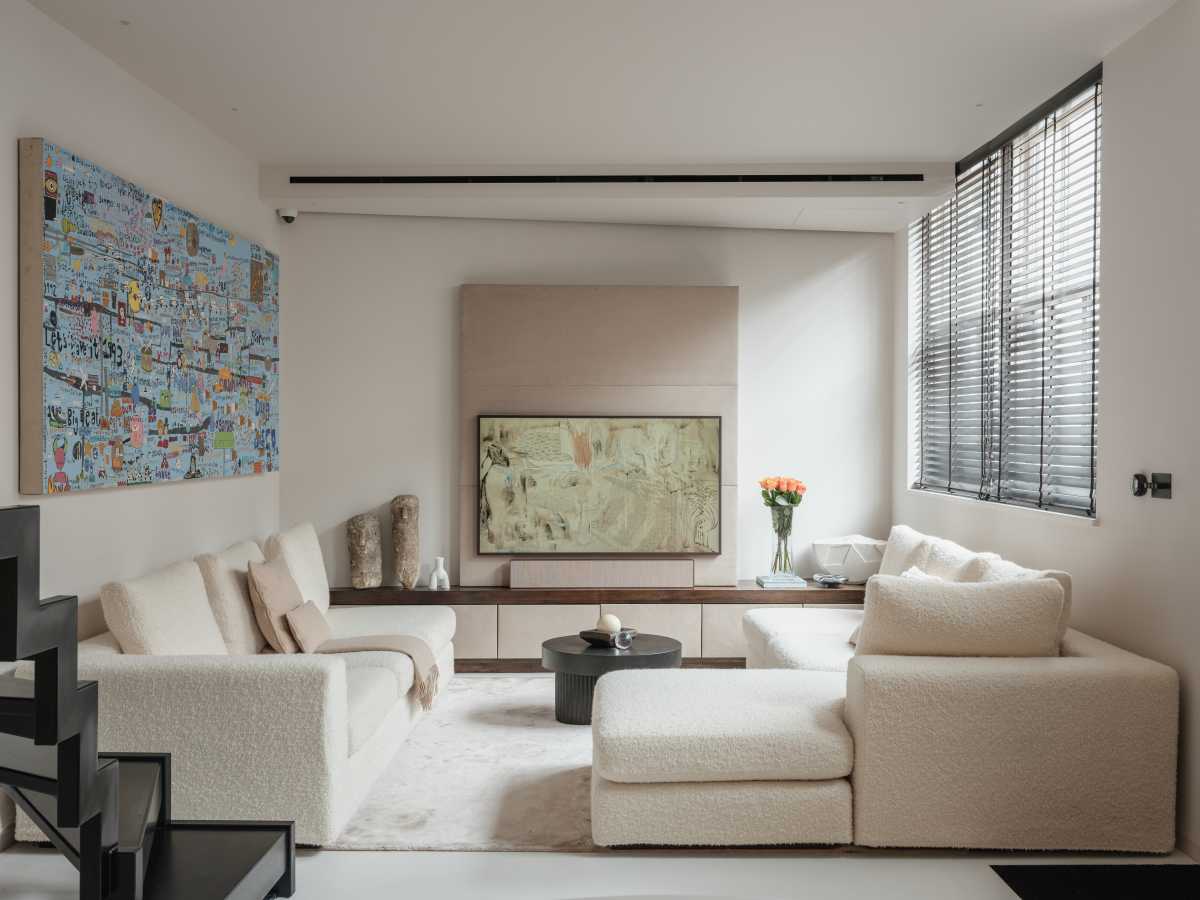
Camden Interior: A Refined Approach to Living Space Room Features That Age Well
Camden interior projects start with how you want to live, not with finishes. In this borough, the plan is often stretched by long, narrow footprints, split levels, and structural surprises behind plaster. We will map the existing layout, then test options that improve flow without erasing character. That can mean opening up a kitchen and dining area, inserting a glazed link to a sunroom, or using internal glass partitions to borrow light across the plan.
The room features we see most often in Camden include original timber sash windows, fireplaces with tiled hearths, exposed brick, and attic loft conversions that need careful headroom planning. On the more contemporary side, clients ask for Crittall-style frames, skylights, concrete or resin flooring, built-in bookshelves, and library walls. The premium version of those choices is not about quantity, it is about alignment and restraint. We will keep the palette tight, and we will detail junctions so they read cleanly at close range.
For apartments and mansion blocks, we plan the services early. Ventilation routes, acoustic upgrades, and plant locations have to be agreed before anyone orders joinery. That is where interior design becomes a practical tool. Our interior designers will set the joinery grid, coordinate lighting positions, and protect storage capacity so the space stays calm. We will also integrate smart controls where it improves day-to-day comfort, without turning the home into a gadget showroom.
When clients want luxury interior architecture, they usually mean two things: the rooms must feel serene, and the detailing must feel inevitable. We will deliver that by balancing proportion with craftsmanship, and by keeping the sequence of decisions tight. The team will review samples early, lock in key items, and keep the specification consistent so procurement does not drift.
To make the process transparent, we will set out what we need from you, and what you will get from us:
A clear brief with priorities and non-negotiables
Access rules for the street or the block, including lift bookings where relevant
Any previous drawings, approvals, or neighbour agreements
A decision schedule that keeps momentum through procurement
A single point of contact, so decisions stay consistent
Camden Homes: Character, Proportion, and Restraint
A Property Mix That Rewards Restraint
Camden homes range from elegant Georgian terraces to Arts and Crafts villas, and the breadth is part of the pleasure and the challenge. A single house on a quiet street in Dartmouth Park behaves very differently to a purpose-built apartment near King’s Cross, and both differ again from a factory conversion in Camden. We will start by understanding the existing structure, then we will define the design intent so every trade is pulling in the same direction.
There are a few recurring patterns. Victorian terraced layouts often want a better relationship between the rear rooms and the garden, plus a clearer stair hall. Georgian plans can take open-plan living, but they still benefit from formal moments and strong axial views. Edwardian properties often give you more width, which lets the dining and kitchen arrangement breathe. Mansion blocks and mews properties come with tighter constraints, services routes, neighbour proximity, and strict management rules.
Camden also carries a strong historic thread, even where a building is not listed. We will treat heritage as a design tool rather than a limitation. That means keeping original proportions where they matter, restoring sash windows properly, and making new insertions legible and refined. For Brutalist and International Style buildings, the same principle applies, we will respect the original language, then add comfort quietly.
Below is a simple guide to the property types we see most and the typical focus points. It is intentionally practical, because it is the sort of information that prevents surprises during construction.
Structure type | Typical constraints | Design focus |
Victorian terrace | Shared walls and tight rear access | Light, circulation, and storage-led space planning |
Georgian townhouse | Formal proportions and heritage detailing | Balanced rooms, refined joinery, and controlled design moves |
Edwardian semi-detached | Wider plan with multiple reception zones | Clear zoning, skylights, and practical service routes |
Mansion block | Management approvals and acoustic limits | Quiet upgrades, improved kitchen flow, and modern services |
Mews property | Narrow streets and delivery limits | Discreet external changes and durable materials |
Factory conversion | Exposed structure and irregular grids | Flexible layouts and a coherent design language |
Modernist estate apartment | Fabric sensitivity and community rules | Respectful upgrades, thermal comfort, and safe construction sequencing |
Canal-side boat home | Tight access and services constraints | Lightweight fit-out and robust moisture control |
Camden is also unusually open to contrast when it is done with skill. A Gothic Revival detail can sit alongside Contemporary Minimalist joinery, and a Brutalist plan can carry a softer Arts and Crafts sensibility through timber and texture. The point is not to blend everything into one tone. The point is to choose a clear thread and let it run quietly through the rooms, so the overall feeling is composed.
Where we see the strongest outcomes, the design is anchored by two or three repeatable decisions. That might be a consistent door line, a repeatable shadow gap, and a single flooring direction. Those decisions create calm even when the plan is complicated. In split-level layouts, they also help the eye travel, which makes the space feel larger without pushing footprint.
We are often asked about loft conversions, roof terraces, and green roofs. The luxury version of these additions is understated. It is about safe access, discreet balustrades, and junctions that do not leak. We will coordinate drainage, falls, and waterproofing early, then we will make sure the details are buildable and the construction sequence is clear, because no finish survives a poor threshold.
On canal-adjacent properties and high-level apartments, wind and exposure change the specification. Glazing and seals need care, and external materials need to weather well. We will guide those choices so the finished scheme looks as good in five winters as it does in photographs.
The best work also respects how people actually live. It is easy to chase open-plan living and forget that you still need somewhere to put coats, books, and cleaning kit. We will plan storage as part of the architecture, not as an accessory, because the calmness of a room is often decided by what is not visible.
How Our Architects’ Keep the Process Calm
How Decisions Stay Consistent
A premium project in Camden depends on a process that is clear and steady. On every project we will keep the conversation honest. If a detail is fragile, we will say so and propose a durable alternative. If a lead time risks the programme, we will flag it early and adjust the sequence. That is how you protect quality without inflating scope.
We will begin with a measured survey and a short feasibility phase, then we will move into concept and technical design with decisions that hold up under pressure. As architects’ London clients rely on for complex residential projects, we will set a clear scope and a clear schedule, and we will keep the brief from drifting.
A refined scheme is as much about what you do not change as what you change. In Georgian and Victorian settings, we will protect the original ceiling heights where they are part of the grandeur, and we will repair rather than replace where the fabric can be restored. In modernist buildings, we will respect the original geometry and improve comfort through discreet upgrades.
To keep quality consistent, we will set out the information in a way that contractors can follow. That includes clear set-out, a coherent specification, and a small number of detail types repeated consistently. When this is done properly, the work on site moves faster, because there is less interpretation and fewer ad hoc decisions.
We will also manage the client decision rhythm. A premium outcome needs timely choices on lighting, plumbing brassware, and joinery finishes. We will build that schedule into the programme so decisions happen before lead times become critical.
Material choice is where a premium scheme either sings or feels generic. We prefer materials that reward touch and age gracefully: well-finished timber, honest metals, stone that carries depth, and paint colours selected in real light rather than on a screen. The strategy is simple, fewer materials, better detailing.
Joinery is one of the most powerful tools in residential projects. A wall of built-in shelving, a library run that aligns with window heads, or a concealed utility zone can transform how a space functions. We will draw the joinery properly, coordinate the set-out with services, and agree hardware early so the fit feels deliberate. This is also where we will protect acoustic comfort, because a beautiful room that carries sound is not truly restful.
Bathrooms are another place where quality shows, and where shortcuts show quickly. Wet room falls, junctions to stone, and the way lighting sits over mirrors all need forethought. We will document these details so the contractor is not improvising on site, and we will make sure waterproofing is treated as part of the core scope, not a late add-on.
Lighting is where the mood is set. A premium scheme will use layers: an ambient base, task lighting where you actually use it, and softer accents that make evenings feel effortless. We will coordinate these layers with the ceiling plan and joinery, because the cleanest results come when the lighting is integrated rather than scattered. This is also where we will keep glare under control, particularly where large glazing faces bright sky.
Procurement matters as much as concepts. We will advise on lead times and sequencing, and we will keep a running schedule of decisions so the project does not stall. When the work reaches its final stages, this discipline is what keeps the finish calm, because each trade is arriving to a plan rather than a scramble.
Finally, we will keep the practicalities visible. Protection, waste, and site cleanliness are part of the experience for clients living through a project. A scheme can be beautifully drawn and still fail if the installation is chaotic. We will keep it orderly, and that is how the craftsmanship is protected.
There is a practical reason this matters in Camden. Many of these buildings have been altered over decades, sometimes with little record, and services are rarely where you wish they were. The team will confirm structure and levels early, then coordinate the mechanical and electrical routes so the ceilings stay clean and the joinery stays crisp. That is where architects' interior coordination prevents late compromise.
We also take care with external changes. Even when a proposal is modest, Camden and London planning teams expect clarity, and neighbours expect predictability. We will prepare a package that explains what is being changed, why it improves the building, and how it will be built safely. In tight streets, we will also plan deliveries, waste removal, and protection for shared entrances so the building remains orderly.
If you are comparing approaches, you might have spoken to Payte Architects’. The best teams share the same discipline, they keep the story simple, the drawings accurate, and the decision trail visible. That approach supports quality, protects time, and reduces cost escalation that can creep in late.
Our architecture services are structured so you know exactly what happens next, and who is responsible for what. We will also align procurement so the contractor can price the scope accurately and the programme stays credible. In London, that clarity is the difference between a calm build and a drawn out one.
Building Permissions, Heritage Checks, and Risk Control
Heritage-led Submissions
In Camden, permissions and technical compliance are part of the design conversation from day one. Whether you are working on a Georgian façade, a Regency stucco elevation, or a late twentieth-century estate, the borough will expect a coherent rationale and well resolved drawings. We will assess historic value, record what is significant, and then propose changes that feel deliberate rather than disruptive. That is how heritage is protected while the layout becomes more liveable.
For building Camden projects, we will also plan for the practicalities that rarely show up in glossy inspiration. Party wall interfaces, shared stair cores, and management company rules in mansion blocks all affect programme. We will document these constraints early so the team can sequence the programme without surprises. Where a basement is part of the scope, we will treat water management, structure, and neighbour movement as first-order risks, and we will plan monitoring accordingly.
Camden is also a borough where details matter. Crittall-style frames, rooflights, and glass extensions can be elegant, but they have to be integrated with structure and fire strategy. We will coordinate that clean junctions, so the building performs as well as it looks.
If you need architectural services in Camden and interior design services in Camden in one joined-up appointment, we will structure the scope so decisions stay aligned. That means a single design narrative, one set of coordinated drawings, and a clear route through approvals that supports a refined finish.
Looking through a bright white doorway into a luxury boutique bedroom featuring a plush upholstered headboard, layered neutral bedding, and elegant wall sconces. A framed artwork hangs on the textured hallway wall next to a sleek dark timber balustrade.

Work on Live Sites, Lifts, and Neighbour Relations
Neighbour Comfort and Access
The day the contractor starts is not the day to discover access constraints. In Camden and London, the logistics will dictate the tempo of the programme. We will map how materials arrive, where they can be stored, and how the route through shared corridors is protected. In mansion blocks, lift bookings and porter rules can shape the programme, so we will secure them early and keep the timetable realistic.
Camden sites can also be surprisingly sensitive acoustically. Factory conversions and modern apartment buildings often transmit vibration, while Victorian terraces can carry noise through shared structure. The team will set a practical sequence for noisy tasks, then consolidate them so disruption is shorter and more predictable. We will also set expectations with neighbours in writing, including working hours and contact routes, so the project stays civil.
On live-in schemes, we will separate clean and dirty zones, keep temporary services stable, and maintain safe access at the end of each day. That is how the building remains usable while construction progresses. It also keeps decisions clearer, because everyone can see what has been completed and what is still open.
When the structure is open, we will prioritise weather-tightness and safe circulation, then we will move to first fix services and finishes in a controlled order. That approach reduces rework and keeps the main space usable sooner. It also keeps the construction period shorter, which neighbours appreciate.
Camden has its own micro-geography. Near Regent’s Canal, access routes can be narrow, while around Bloomsbury and the British Museum there is high footfall and strict street management. Across London, these conditions reward planning that is precise rather than optimistic. We will treat sequencing as part of the design, not an afterthought.
When the programme is managed properly, the finish reads as calm. It is not about overstatement. It is about joinery lines that meet cleanly, lighting that behaves, and detailing that looks intentional after a year of living, not just on handover day.
Handover is also where many projects lose momentum, so we treat it as a defined stage rather than a vague finish line. We will walk the completed areas with the contractor, record snags clearly, and agree a sensible timetable for closing them out. We will also make sure you have the information you need for maintenance, finishes schedules, product data, and any warranties that matter.
For clients living through the final stages, we will plan the last sequence so you regain key rooms first. That might mean prioritising the kitchen and bathrooms, then completing secondary joinery and decorative finishes once daily life is comfortable again. It is a small operational choice, but it has a huge impact on how the project feels.
Renovation Sequencing, Basements, and Craftsmanship
Basements, Lofts, and Craft
A full renovation in Camden is usually a mix of restoration and careful modernisation. We will protect the original character where it matters, then introduce upgrades that are refined and robust. In Victorian and Georgian settings, that can include restoring fireplaces, repairing sash windows, and cleaning up cornices while quietly integrating new services. In more contemporary buildings, it can mean improving thermal comfort and acoustic separation without changing the external language.
Basement scopes deserve particular care. Even a modest basement can affect drainage, temporary works, and neighbour confidence. We will coordinate structure, waterproofing strategy, and monitoring, then integrate the internal layout so the lower level feels like a natural part of the home. For loft and roof terrace additions, we will also check headroom, access, and the interface with existing structure so the build remains predictable.
From a client perspective, the most valuable part is often the discipline around decisions. We will keep the design intent clear, test materials early, and document the details so the contractor can build without improvising. That is how a Camden project stays premium through the messy middle.
To close, I will offer one simple benchmark. This work is measured in comfort as much as appearance. If the process feels calm, the building is protected, and the site is orderly, the outcome will follow. That approach suits homes that need restraint as much as invention. That is how we deliver high-end projects across Camden and the wider London context.
Areas We Serve in London Borough of Camden | |
|
|